
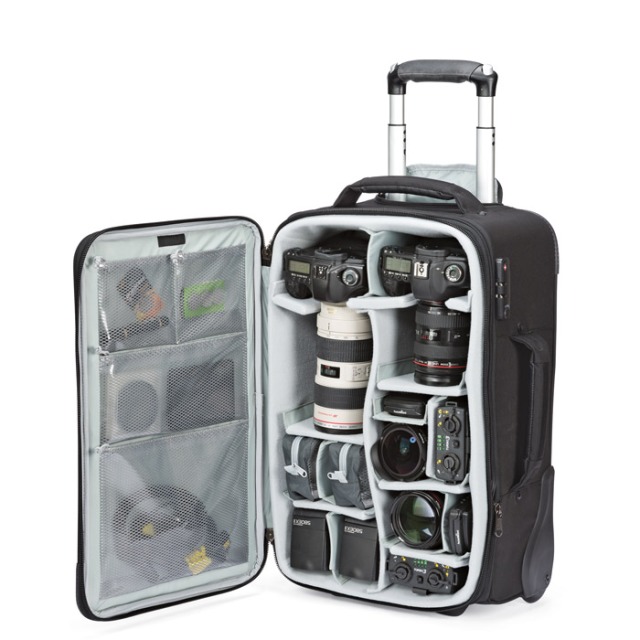
As a pro still photographer specializing in commercial imaging, I’m witnessing a growing number of requests for hi-res video (4K) to accompany still photography imaging on many of our work assignments. Fueled by the Internet, both mediums are now heavily utilized for commercial ads and reader content on the web. We know going forward that the Internet will pound away and continue to gain more market share of the paper media organizations. According to the Pew Research Center, “In the U.S., roughly nine-in-ten adults (93%) get news online (either via mobile or desktop), and the online space has become a host for the digital homes of both legacy news outlets and new, “born on the web” news outlets. Digital advertising revenue across all digital entities (beyond just news) continues to grow, with technology companies playing a large role in the flow of both news and revenue. Just ask yourself, “Do you still subscribe to the morning paper or do you read printed news from your desktop or handheld device?
During the life of our careers still photography professionals have made a decent living working for the printed media establishments. We are now witnessing the end of that long era of printed media revenue. Perfect example, just this morning I read (online) about our local newspaper the “Tampa Bay Times” slashing 50 more jobs due to new tariffs that will cause the newsprint to skyrocket in costs.
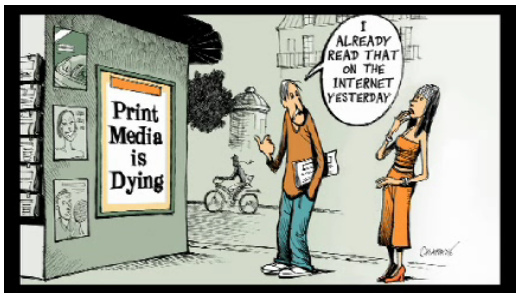
Communication Technology has advanced and changed the way we get information. Our clients deliver instant news now with live web broadcasts, video ads and written articles to the palm of our hands 24-7.
So what exactly does that mean to a professional still photographer? Or a photographer just starting a career? Many pros see it as the beginning to the end of their career. While this may be true for some printed media staff photographers, I see it as a positive shift in our industry. Competition and demand will require photographers to be experienced in both formats, which in return will give us better flexibility, more assignment opportunities and a greater selection of experienced photographers. And with all the print media going the way of the Dodo Bird, professionals can help offset the lost revenue with a newer enhanced service making us more diverse photographers, which gives us a better competitive edge in our marketplace.
So, that brings us to the question, “Whats in my Bag?”
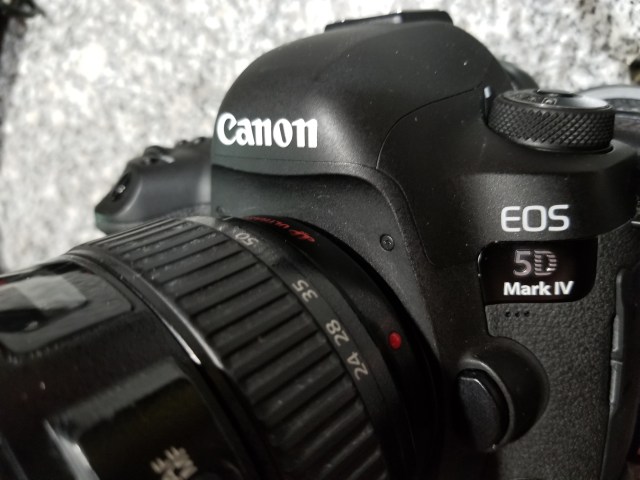
- A decent professional camera (My Choice is the Canon 5D Mark IV) that does both stills and 4K video.
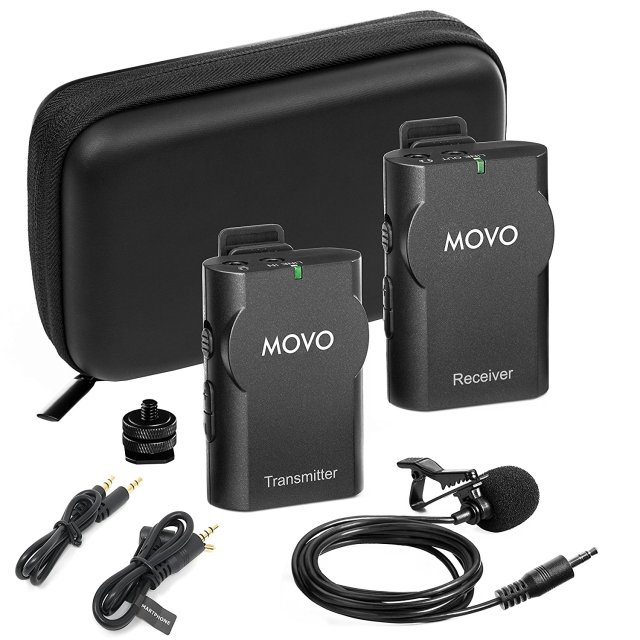
- Accessories for video: a wireless mic, and headset for checking the sound quality
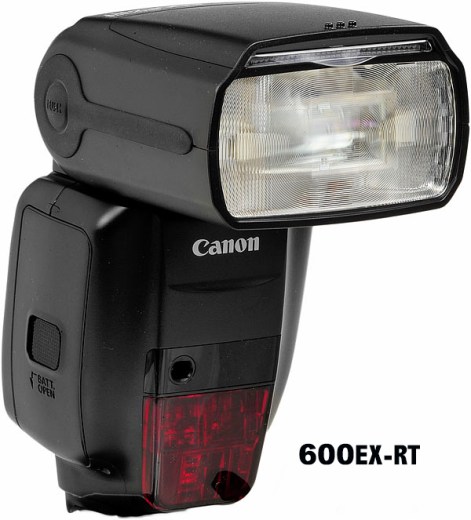
- Lighting: Pair of Canon 600EX-RT Speedlights for stills. A 600LCD light panel for shooting Video
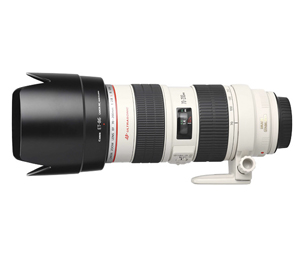
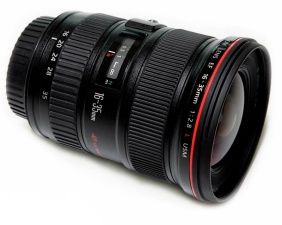
- Canon L Glass. If you want good images you need more than jus a good camera. You need sharp optics. Wide: 16-35. 2.8 L lens, Medium 24-70, 2.8 L lens, Long: 70-200, 2.8 L lens.
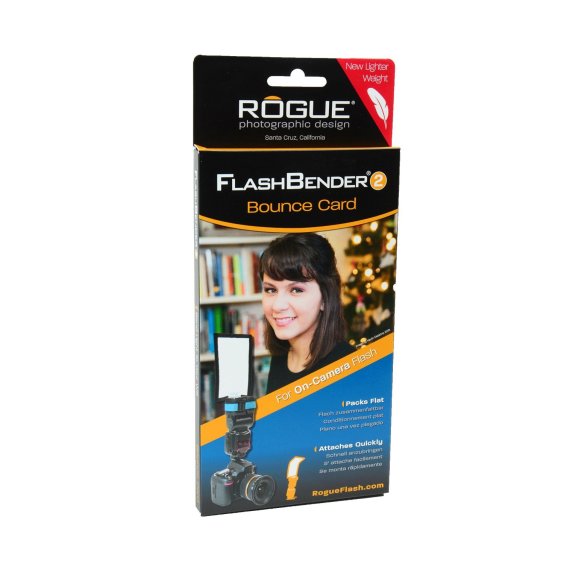
- Flash Head Bounce reflector and color correction filters
Contributed by: Martin J. Allred Editor/Photographer http://www.floridaography.com
http://www.nationwidephotographers.com
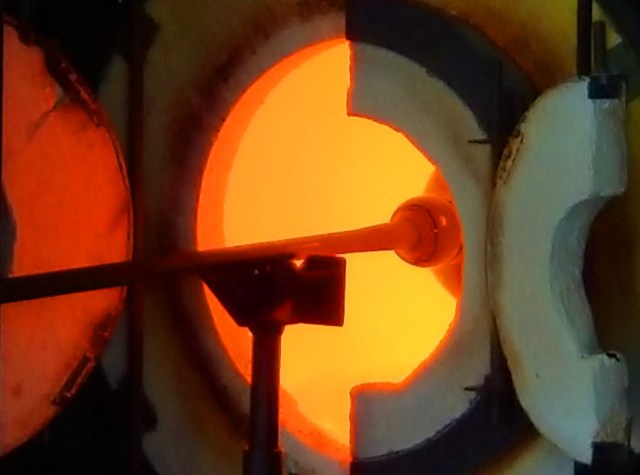
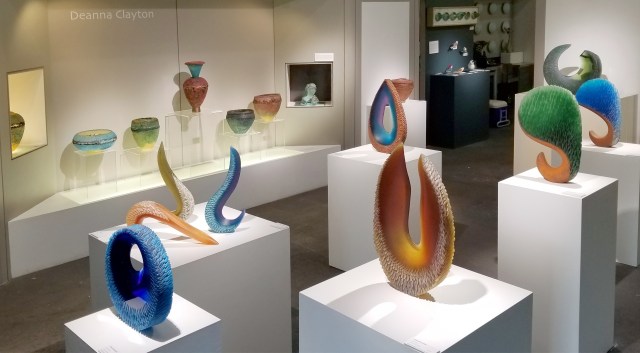 One of the many things I like about living in Tampa, FL is the array of art and cultural activities available in the area. With that said, this past weekend with a couple of friends I got the chance to visit an iconic local art venue, the Duncan McClellan Gallery, located in St. Petersburg.




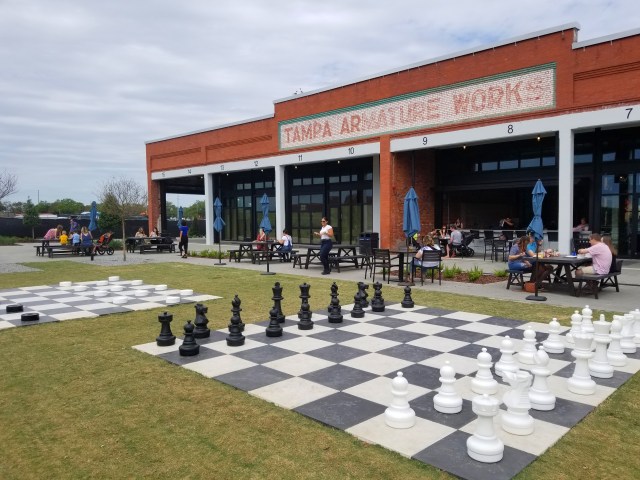 Tampa’s Riverwalk is buzzing with the latest opening of the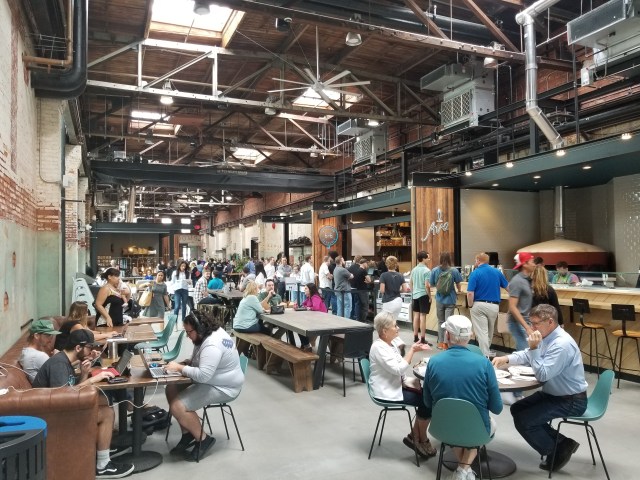
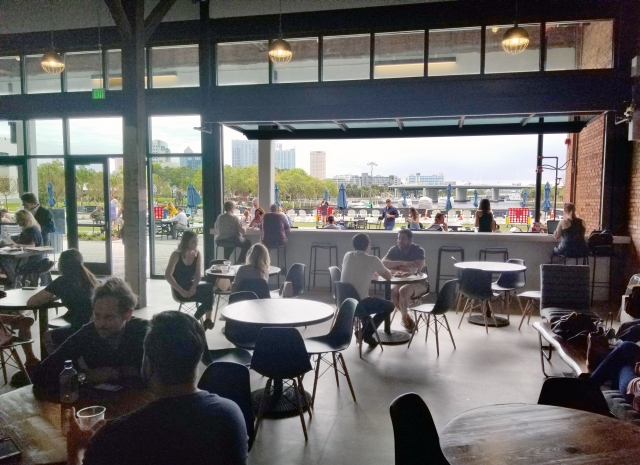
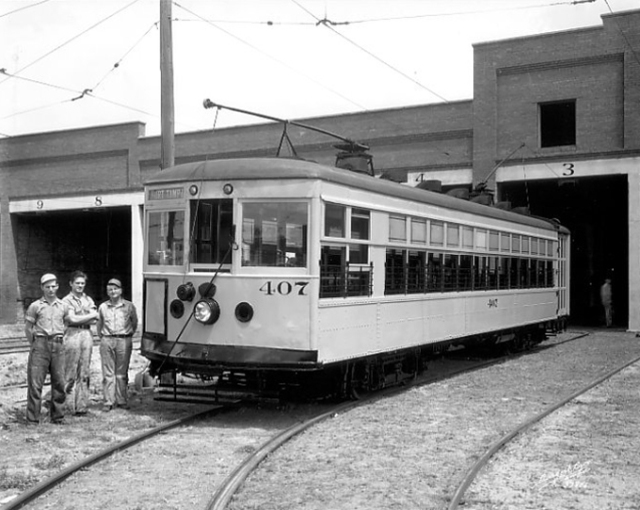
 This urban and trendy addition to Tampa’s Riverwalk is the brainchild of Developers Chas Bruck and Adam Harden of SoHo Capital, who envisioned a modernized neighborhood hangout for Tampa’s waterfront community and a national destination aimed to attract visitors from near and far. Over time, each piece of the 50-acre riverfront property was acquired with plans to create the Heights. The Heights will offer entertainment, workspace and shops, as well as a residential community. Whether you travel by land, bike or sea, the family-friendly district will connect the growing neighborhoods north of downtown to the Heights through the Riverwalk.

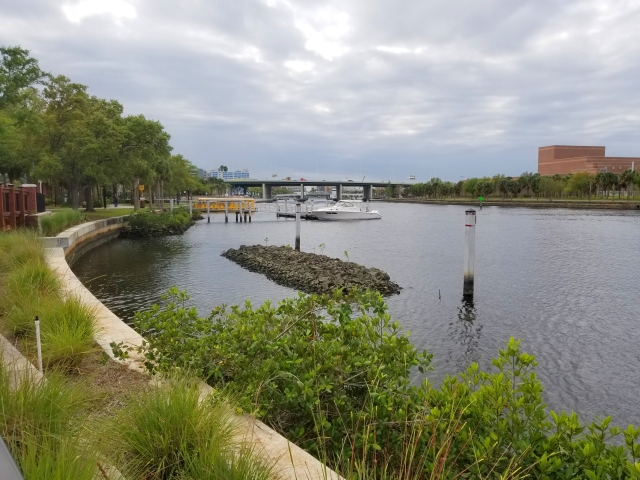


 This Saturday January 27th, the city of Tampa, Florida will be invaded by thousands of Pirates as part of Gasparilla Fest. Named for the pirate “Jose Gaspar”, who terrorized the coastal waters of West Florida during the late 18th and early 19th centuries, Tampa’s annual Gasparilla celebration begins with a flotilla of hundreds of boats lead by the 165′ pirate ship “Jose Gasparilla” which sails across Tampa Bay in route to the Downtown Tampa Convention Center. Once the ship lands, the pirate captain demands that the mayor hand over the key to the city in a playful ceremony which has had different outcomes in different years.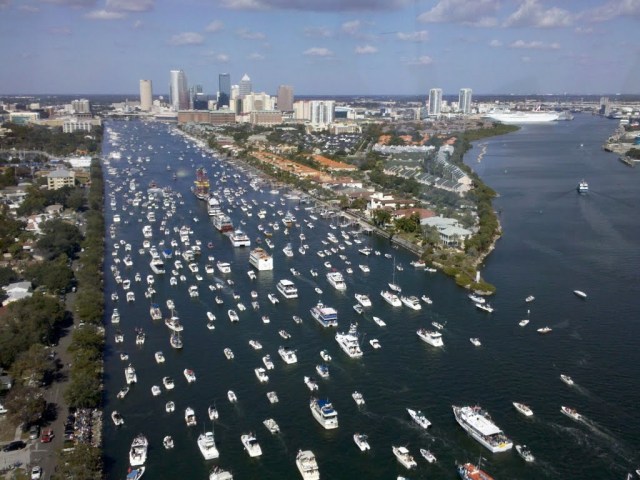


 The Gasparilla invasion begins at 11 a.m. Saturday out in the bay and the parade starts at 2 p.m., proceeding along the 4.5-mile route along Bayshore Boulevard from Bay to Bay Boulevard into downtown. The parade, which has been presented by the Ye Mystic Krewe of Gasparilla since 1904, has more than 140 units, over 100 floats, marching bands, and over 50 participating social organizations. The economic impact is estimated at over 25 million dollars to the city of Tampa.
 Nearly 90% of sea turtle nesting in the U.S. occurs in Florida. The nesting season runs from May through October where most of the turtles return to their home beaches to lay eggs. Although, some species will come ashore as early as March.
 The EOS 5D Mark IV features a time-lapse movie shooting option to create time-lapse directly in-camera without needing to stitch the images together afterward. When you shoot a time-lapse movie, you will notice that the resolution is FHD and it is recorded at either 29.97P (NTSC) or 25.00P (PAL). If you wish to record a timelapse at a higher resolution or with a different frame rate, then you should use the interval timer instead to capture still images that you can later combine on a computer. This will allow you to capture a timelapse at a much higher resolution, in RAW, or with a faster or slower frame rate as required.
 EOS 5D Mark IV Diffraction Correction

 Floridaography......