
Blog Stats
- 30,534 hits
-
-
Recent Posts
Archives
- October 2025
- May 2025
- January 2025
- December 2018
- November 2018
- June 2018
- May 2018
- April 2018
- March 2018
- January 2018
- December 2017
- November 2017
- July 2017
- June 2017
- May 2017
- April 2017
- March 2017
- February 2017
- December 2016
- October 2016
- June 2016
- May 2016
- April 2016
- March 2016
- February 2016
- October 2015
- August 2015
- July 2015
- June 2015
- April 2015
- February 2015
- November 2014
- September 2014
- August 2014
- July 2014
- May 2014
- February 2014
Categories
Face Book Page
The Author
- Follow Floridaography…… on WordPress.com
-
-
Recent Posts
Archives
- October 2025
- May 2025
- January 2025
- December 2018
- November 2018
- June 2018
- May 2018
- April 2018
- March 2018
- January 2018
- December 2017
- November 2017
- July 2017
- June 2017
- May 2017
- April 2017
- March 2017
- February 2017
- December 2016
- October 2016
- June 2016
- May 2016
- April 2016
- March 2016
- February 2016
- October 2015
- August 2015
- July 2015
- June 2015
- April 2015
- February 2015
- November 2014
- September 2014
- August 2014
- July 2014
- May 2014
- February 2014
Categories
April 2026 M T W T F S S 1 2 3 4 5 6 7 8 9 10 11 12 13 14 15 16 17 18 19 20 21 22 23 24 25 26 27 28 29 30
JetBlue Moves to Terminal B at DCA (Reagan)
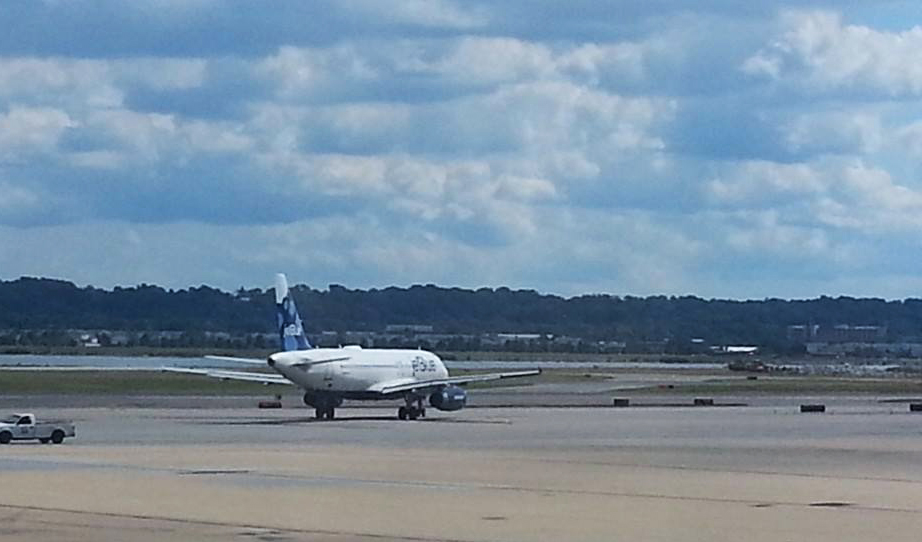
Earlier this month Jetblue Airlines moved their flight operations to terminal B from terminal A at Washington National (Reagan) airport.
The airline currently flies to seven Florida cities, Tampa, Sarasota, Ft. Meyers, Ft.Lauderdale, West Palm Bch, Orlando and Jacksonville, with direct flights to DCA from Tampa International.
The B terminal is a much busier modern terminal and offers travelers a better selection of amenities.
My go to airline from Tampa to DC due to the airport’s proximity to downtown DC.
Contributed by: Martin Allred
Posted in Dining
Tagged DCA, Florida Airlines, Flying, Ft. Lauderdale, Ft. Meyers, Jacksonville, Jetblue, Orlando, Reagan Airport, Sarasota, Tampa Travel, Travel to DC, Washington Nationa, West Palm Bch
Leave a comment
Road Test Conclusion, Michelin Commander II Touring Tires
This article concludes the actual road test we implemented on replacement tires (Michelin Commander II’s) for our Harley Ultra Classic. We posted the 1st article back in April after a 12,000 mile road test in Colorado. I reposted that article below titled “Keep the Rubber Down”.
Disclaimer: I am not affiliated with any product retailer or reseller and do not accept any compensation from any product manufacturer for content or opinions expressed on this blog.
Conclusion:
In the following video, Michelin makes the claim that their Commander II tires will last almost twice as long as their two major competitors. http://www.youtube.com/watch?v=r5gk_HenF_w
Our personal road test conducted in Colorado showed only a 25% total improvement over the OEM Dunlop Tires. Still a slight improvement no matter how you look at it.
Although I was pleased with the first 12,000 mile performance of the Michelin Commander II tires, I was disappointed the tires didn’t last as the MFG had advertised. The back tire lasted only an additional 2500 miles before it was time to replace it.
In the manufacturer’s defense, the roads of Colorado may not be the typical place to conduct a tire test. However, as a motorcycle enthusiast I think Colorado is the perfect place to conduct any tire test due to the state’s curvy elevated roads, and ever present weather challenges. Riding tandem may have contributed to the extreme wear to the right side of the tire. I still can’t believe we made it home on this tire. The back tire had approximately 3/16″ treads of rubber in the middle at the start of our road trip. We completed 30 mountain passes over 10,000 ft in 7 days and several just under 10,000 ft. We also had to double back on 3 or 4 to complete the journey.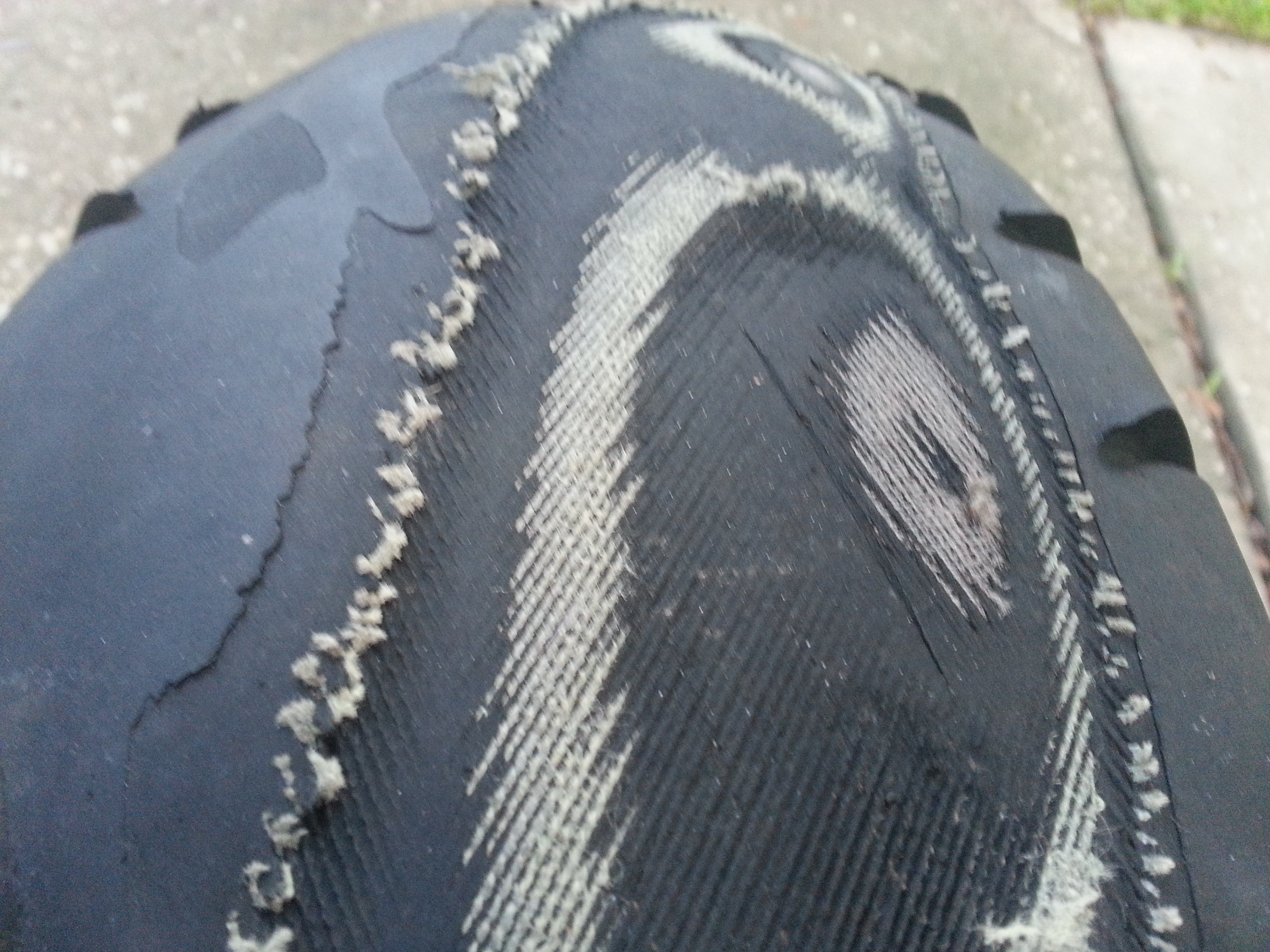
The following pictures show the back tire after 14,500 miles of touring the mountain roads Colorado. We clocked about 2500 miles in 7 days on that road trip. The severe wear showing the tire’s under-layments occurred in the last 500 miles in our final two days of riding. I inspected the tires two days before concluding our road trip and knew the back tire would need replacing soon. However, I didn’t notice the severe wear pictured until we had completed our trip and already garaged the bike. Needless to say, my lesson learned is to inspect tires daily prior to riding. Thankfully we made it home without incident.


I decided to replace the Michelin Commander II tires with the Dunlop American Elite tires this time around, it’s a newer improved Dunlop for touring bikes. I look forward to road testing this set of rubber on the highways of the sunshine state. I’ll post comments on our blog concerning their performance when it’s time for New Rubber Down!
Contributed by: Martin Allred
This was the first of two articles published in April 2014 to www.coloradoconcierge.com Titled
“Keep the Rubber Down”
 April 10, 2014
In May of 2010, I purchased a new Harley Ultra Classic. About two years later with approximately 11,500 miles on the bike it was time to replace the tires. I was a little disappointed that I had less than 12,000 miles on the original Dunlop tires and wondered if that was normal for a touring cycle.
I inquired with several local members of riding clubs in Colorado for their recommendation on replacement tires and several riders informed me that 11,000 miles was about the norm for a motorcycle tire in Colorado. The treads on the back tire usually wear much faster due to the weight. After many conversations one of the members recommended a new tire that had just entered the market called the Michelin Commander II. I found the following video on the tire as part of my research for new tires. https://www.youtube.com/watch?v=r5gk_HenF_w#t=89
I researched the Internet and liked what I read about these new tires. Michelin ads claimed that their Commanders II’s would last almost twice as long as the set of Dunlops that needed replacing. Persuaded by my research I purchased a set and decided to do my own test.
Touring Colorado on a two wheeler is perhaps one of the most sought after and coveted riding experiences in America. The majestic mountains with it’s curvy roads and scenic alpine forests dish out some of the most breathtaking views on the planet.
However, one should expect to encounter just about every kind of riding condition while touring through the state. The weather at times will throw you a curb because it’s usually so unpredictable in Colorado. I have personally navigated through rain, sleet and snow while touring through the mountains all in the matter of minutes. Loose gravel and large rocks are common in the roadways along with slick wet icy roads in the higher altitude areas. On occasion you could have a herd of goats, deer or other wildlife jump right out in front of you. One of the most important assets to have on a two-wheeler is a great set of tires. A good friend of mine (Charlie Ford) had clocked over 100,000 miles on his Ultra Classic motorcycle this past year. I asked him to share his best safe travel tip to share with others, his exact words were, “good tires”.
The Actual Road Test
First, I need to say that I received no money, compensation, favors or endorsements of any kind for this personal tire test. And to make the test even fairer, I ordered the tires from and out-of-state dealer in Utah. When they arrived I had the local Harley dealer change out the tires. My personal evaluation of these new tires are a true unbiased assessment.
At first when I first laid eyes on the new tires I was a little concerned with their unique tread design. I wondered if they would hold good traction in sharp turns. But, I must say the tires handled perfectly. I did experience minor traction loss while in a turns and rolling over small pea-size gravel and heavy painted lines on the roadways, but one should expect that. Overall, the tires were smooth and comfortable riding on the road, as one would expect from a premium tire. I was also happy with the traction in the rain. Riding in the occasional snow and light sleet in the high elevations was satisfactory too. Most of the mileage encompassed having a rider on the back and all the storage compartments packed full of gear and a medium size overnight bag strapped on the luggage rack. Even with all the added weight I was very pleased with the overall performance of the tires.
Road Life and Tread Wear

I had experienced severe tread loss on the original Dunlop tires at 11,500 miles and had to replace them. I measured the tread depth after 24 months and 12,000 miles on the Michelin Commander II’s and the tread depth was still 3/16” at the middle of the tire with minor rubber loss throughout the rest of the tire. At this point the Michelin Commander II has held favorably in all phases of the road tests. I don’t know if the tires will hold up another 12,000 miles, but I do know it has surpassed the original set of Dunlops already. So, in my 24-month evaluation of the tire test, I’m giving a big thumbs up to the Michelin Commander II tires. I will continue to track the life of these tires and give my final test results when it’s time again to put new rubber down.

Contributed by: Martin Allred
Clearwater Marine Aquarium (CMA)
 August 12, 2014
The history on how the aquarium came to be along with the successful work preformed by the dedicated staff and three rescued dolphins has contributed greatly to the aquarium’s success.
The Clearwater Marine Aquarium (CMA) is not the typical custom built large city aquarium. You will not find any new shiny stainless steel, polished granite or fancy air-conditioned observation areas at this aquarium.
The architectural design is actually a product of a former abandon water treatment plant. The water treatment plant contained large tanks and with its proximity to open water was well suited for a marine research, rescue and rehabilitation center. In 1978 the city of Clearwater donated the abandon site to a group of private volunteers who wanted to establish a permanent marine biology learning center operating under the name Clearwater Marine Science Center (CMSC). After an extensive construction process the first exhibit room was opened to the public in 1981. The facility’s name was changed in the 1990s to the Clearwater Marine Aquarium (CMA) due to an increasing level of community interaction.
Like most wildlife rehabilitation centers the focus is to rescue and rehabilitate injured marine animals and release back to the wild. Education programs also play a key role. That means most of the time an animals rehab is not open to the general public. As a former volunteer at the Audubon Wildlife Rehab Center in New Orleans, I learned that injured animals don’t always survive due to the shock and stress levels caused by their injuries. An animal’s stress level is a major factor and must be dealt with in an appropriate matter in order for the animal to overcome its injury. Socializing or handling an injured animal with lots of people around is not a good idea and may hamper the recovery process or even make matters worst. Also, most of the time an injured animal must be forced fed to help the recovery process along due to their rejection of food. The animals rehab requires a professional trained staff experienced in handling, diet and any medical issues that need attention. Rehabbing is mostly done behind the scenes of a wildlife or marine rehab center and the caregivers contribute countless hours to the process. We are thankful to have many gifted individuals at the aquarium that are willing to educate the public and share their valuable time as volunteers or with little pay.

In 1984, CMSC rescued a stranded Atlantic bottlenose dolphin named “Sunset Sam”. This was the first dolphin in Florida to survive a beaching. However, due to chronic liver problems, Sunset could not be released into the wild and became CMSC’s first resident dolphin. Sunset Sam was taught how to paint as a form of animal enrichment, and the sales of his paintings were used to fund expenses for the aquarium. Sunset Sam spent 17 years entertaining visitors to the Clearwater Marine Aquarium before passing in December 2001.

In 2005 the CMA rescued their most popular resident, a dolphin they named “Winter”, a bottlenose dolphin which had been entangled in a crab trap on Florida’s east coast. The staff at the aquarium spent countless hours and months on the dolphin’s rehabilitation. Unfortunately, as a result of her injuries during the rehab process the dolphin ended up losing her tail. Faced with that dilemma the aquarium staff organized a team of experts, which came together and created the first ever silicone and plastic prosthetic tail for a marine mammal.
The rescue and rehab story of Winter caught international recognition and catapulted the aquarium into the national media spotlight. That grabbed Hollywood’s attention and inspired the movie Dolphin Tale, the movie became a top box office hit and almost overnight the aquarium’s attendance skyrocketed.

In December 2010, another dolphin named “Hope” was discovered near the same place Winter was found. She was an orphaned 2-month-old calf, still attempting to nurse from her mother, who had died after becoming beached. It was determined that Hope could not be released because she was to young and had not learned the necessary survival skills to be out in the wild. Hope currently shares a tank with Winter, and will star in Dolphin Tale 2, a sequel to the original movie, which will dramatize her rescue.
Due to many successful rescues, the aquarium now has plans to expand and add more exhibits. The dolphin rescue stories have touched thousands of people, many with disabilities dealing with rehabilitation while gaining worldwide recognition for the aquarium.
As you would expect, the highlight of the aquarium is the dolphin tank, which has a partially open roof exhibit. Unfortunately, it’s possible that the weather may affect some of the scheduled timed events. It poured on our visit and delayed Winter’s introduction and brief rescue story, which was narrated by a staff member. However, most of the walkways are covered and there’s ample space to stay dry for everyone. It would be a good idea to plan around the weather prior to attending.
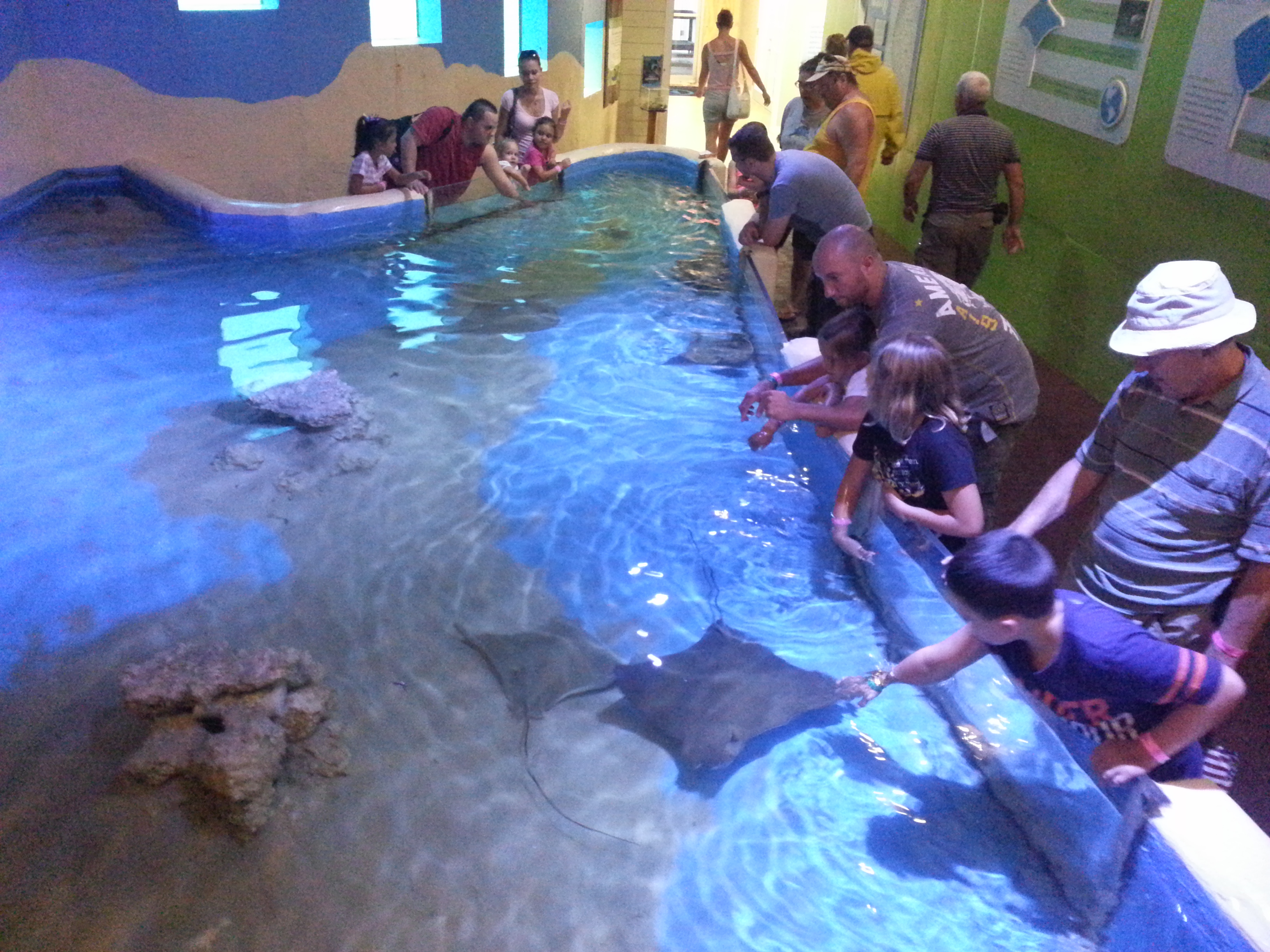
The Stingray Beach exhibit is kind of like a hands on area. You can touch the rays as they swim around in the shallow tank with ample room to move around. I noticed that most of the kids were laughing and loved that part of the aquarium.
The other exhibits included Sea Turtles, River Otters, Pelicans, Sharks and other fish. Some of the exhibits have windows below for viewing and the only way to see the sharks or oher fish is to visit that area. Many of the pictures and colored graphics around the aquarium depicted scenes from the movies shot on location. There’s also an old boat, which was used as a movie prop tied up at one of the boat docks.
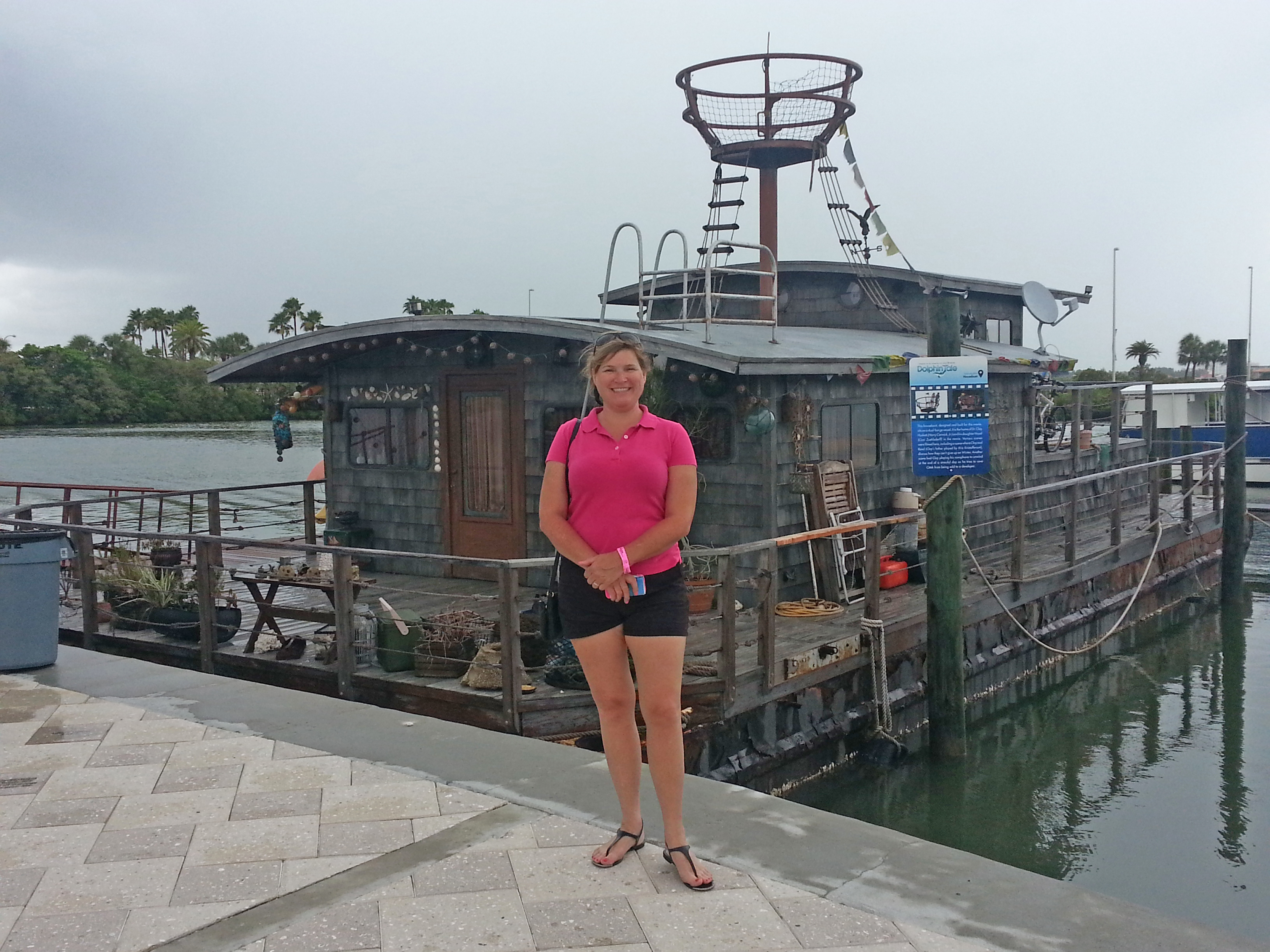
The aquarium offers a 90 minute Sea Life Safari Boat Tour. A ride in the bay area waters to a small shell island. Part of the tour includes pulling a fish net behind the boat in the waters and the crew will educate those onboard about the contents caught in the net. Many times when available, dolphins and several seabirds are spotted and identified.

The admissions prices and family rates and times listed below.

Visit : http://www.seewinter.com
Contributed by: Martin Allred
Posted in Dining
Tagged aquarium, boat rides, childred activities, clearwater, clearwater aquarium, clearwater marine aquarium, clearwater marine science center, dolphin tale, Florida, florida activities, Hope dolphin, marine wildlife rescue center, St. Petersberg, sunset sam, tampa, wildlife rehabilitation center, wildlife rescue, winter, winter dolphin
Leave a comment
Welcome to Florida Yawl!
I will be sharing our road stories, Florida travel tips, photos, restaurant, hotel and other travel related recommendations as soon as we get settled in the Sunshine State over the next few months. 
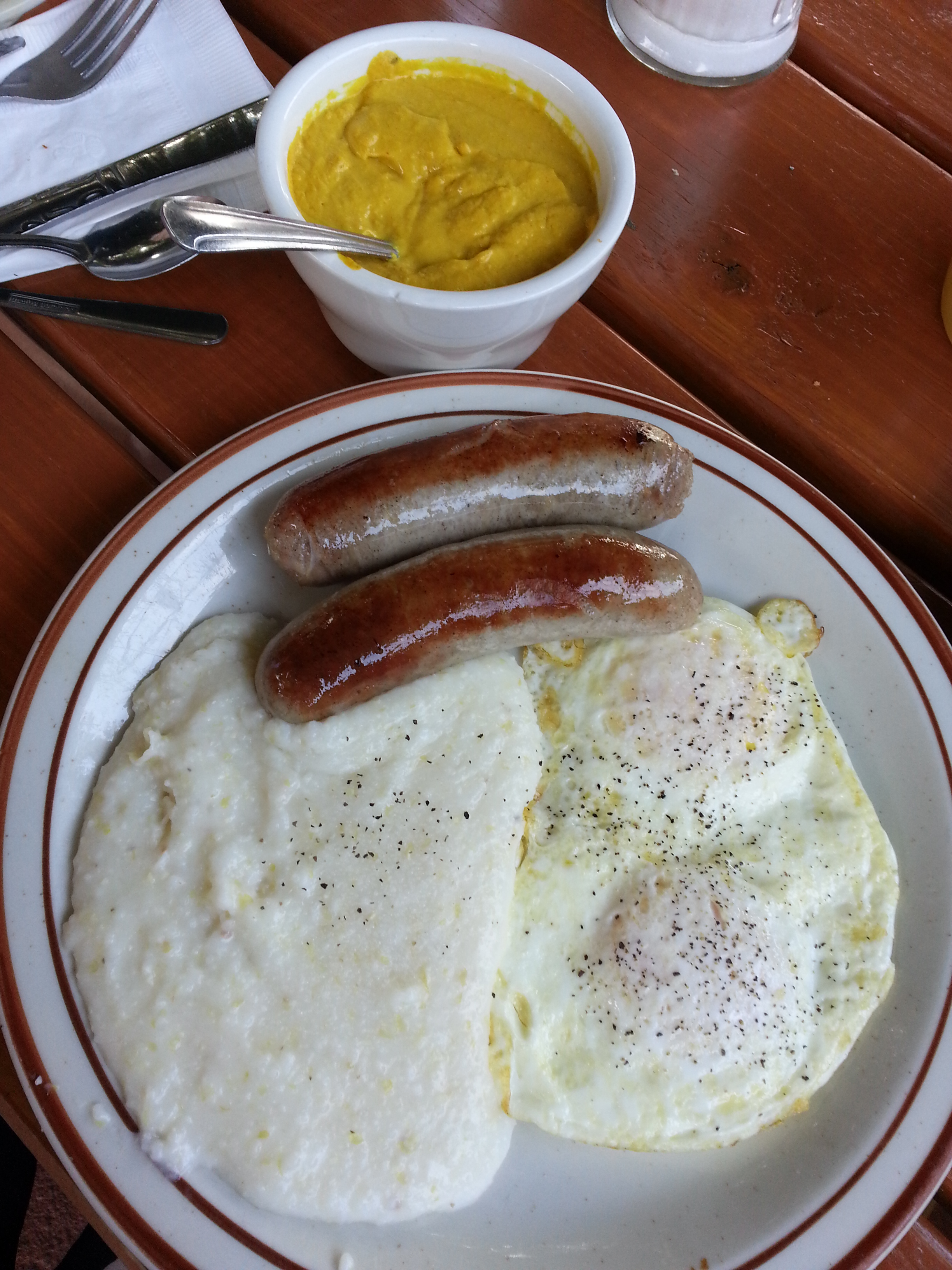
Meanwhile, we found a great little German Breakfast spot just minutes away from the beach on our Ft. Lauderdale visit last month. The “Cypress Nook” had some great German sausages served with a side of mustard, perfectly cooked eggs and some delicious southern creamy grits. Outside seating available under a beautiful Banyan shade tree. Seating is tough in the mornings, so mid morning would work best for a visit. Make sure you give this place a visit on your next trip to the southeast Florida area. The restaurant is actually located in Pompano Beach which is approximately 15 minutes north of Ft. Lauderdale just off of Hwy 9.
-
Address: 201 E McNab Rd, Pompano Beach, FL 33060Phone:(954) 781-3464:
Posted in Dining
Tagged best breakfast, breakfast, Cypress Nook, Florida, Ft. Lauderdale Restaurants, german, Great Eats, Pompano Beach, restaurants, southern breakfast
Leave a comment
Brasilito Beach – Guanacaste Region of Costa Rica
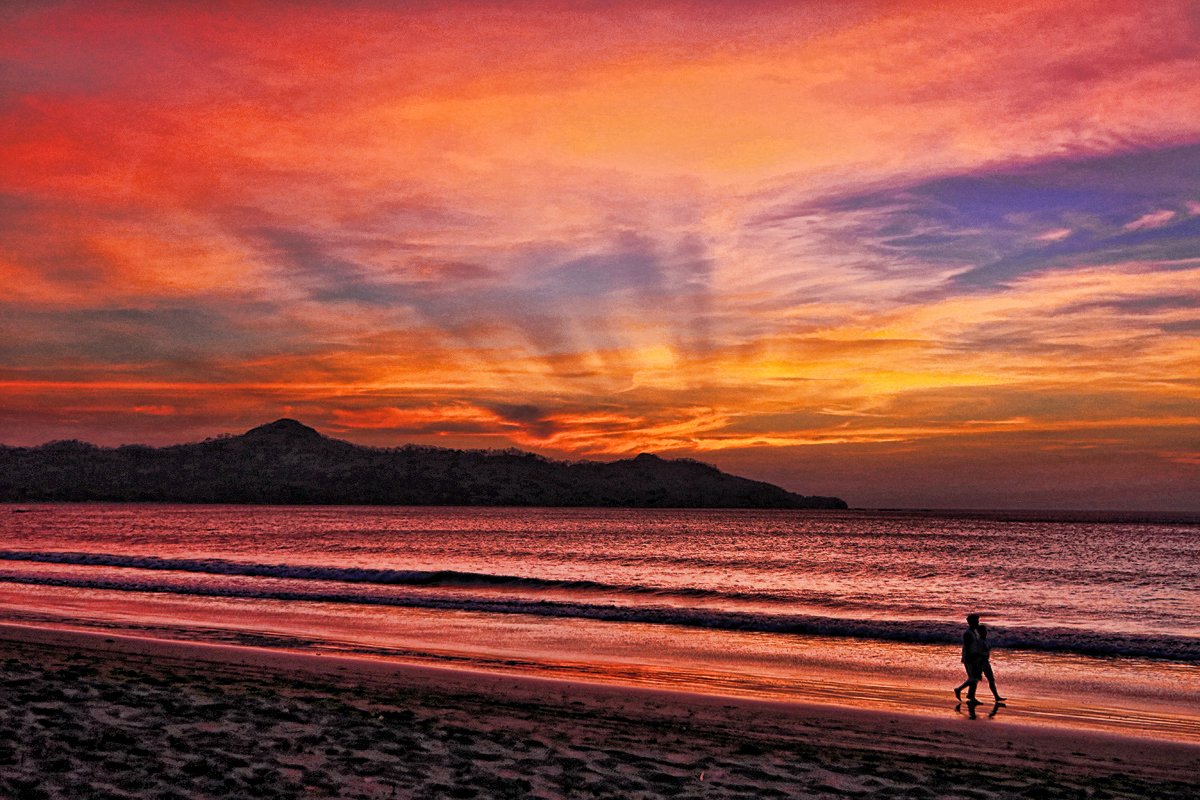
2-29-2014
The quaint little township of Brasilito is located in the Guancaste area on Costa Rica’s famous Gold Coast. The area is mostly undeveloped so don’t expect to find any expensive resorts or hotels in town. However, this little coastal town will feed your scenic appetite some of the most glorious sunsets and beaches available in Costa Rica. 
Brasilito consists of mostly locals giving one a true representation of the way of life in Costa Rica. It’s also an ideal place to stay for budget travelers and for accessing some of Guanacaste’s parks and biological reserves too. One of the world’s most important beaches for sea turtles called the “Marino Las Baulas National Park”, is just a short walk south of town. Sea turtles of various species come ashore there to perform their nesting rituals. You will also find Conchal Beach nearby, one of the most popular beaches located along the Gold Coast of Costa Rica, a long crescent shaped beach formed of white sand and tiny crushed sea shells for which it gets it’s name. A very secluded beach with crystal clear blue water excellent for snorkeling and favored by the locals year round.
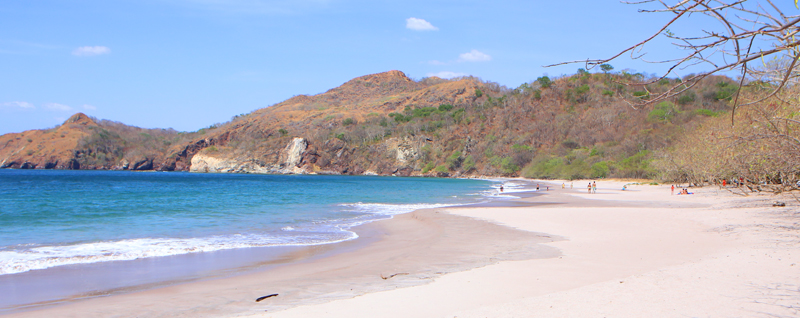
The Hotel Brasilito is just a few steps from the beach and offers very reasonable accommodations and satisfactory amenities for the area. The hotel provided excellent views of Brasilito Beach with the solitude of the Pacific Ocean waves washing ashore However, the highlight was the waves one by one leaving shimmering reflections of the magnificent colorful sunsets in the sand as each wave returned to the sea. To me that was a gift worthy of a canvas for a traveling photographer.
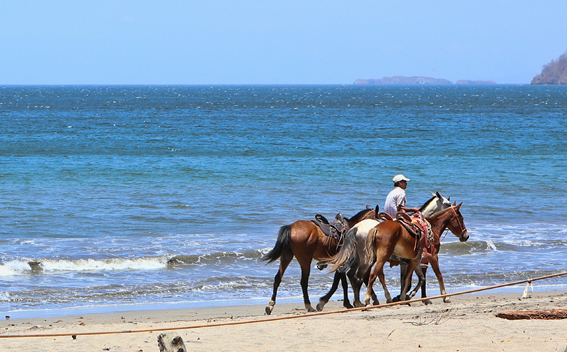
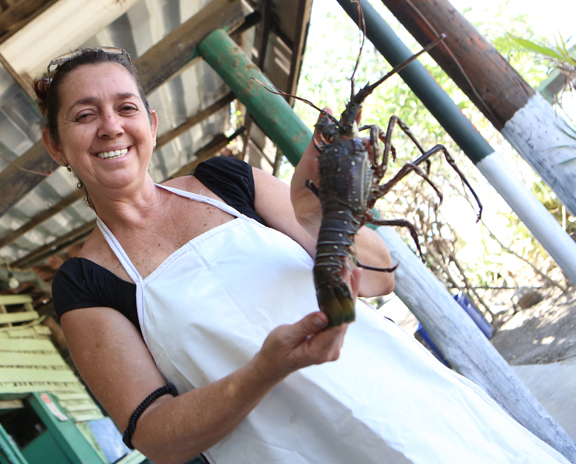
The restaurant scene consisted mainly of mom and pop eateries called Sodas. Although a couple restaurants in town do cater to the visiting tourists whom seem to stray off the beaten path. Sodas are located throughout Costa Rica. Sometimes the Sodas’ can be a small family owned grocery store or a small diner style restaurant. The Sodas’ normally offer plate dishes known as “typical food” and most had different versions. The main staple of a typical breakfast meal is a plate of rice and beans served with eggs, cheese and toast, a dish called “Gallo Pinto”.
For lunch and dinner you normally have “Casado” which means “married” in Spanish. A Casado plate consists of rice, usually black beans with some type of meat or fish, fried plantains, and a cabbage salad which often had a bit of carrot and tomato, the basic variables found in almost all Costa Rican cuisine. A well-rounded delicious meal with some decent nutritional balance. Expect to pay approximately $4 to $7 for a plate of typical food.
ATVs were available for rental and gave us the opportunity to explore the beach and nearby wooded areas in search of the resident Howler Monkeys. We did find a troop sleeping high in the tree tops but weren’t able to get any decent photos.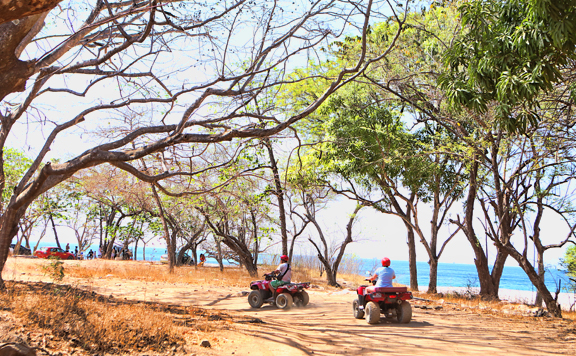
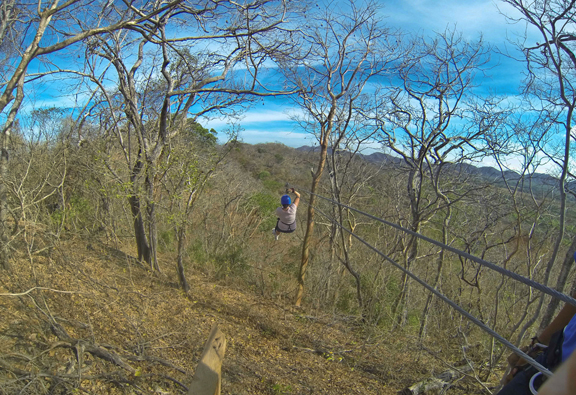
The following day we decided on a zip-line excursion, about a 30 minute drive from the hotel. Upon reaching the zip-line location we had to make a brief stop for gear. Continuing our drive through a working cattle ranch up a sloping hill to the tree tops, we finally reached the first cable. We were pleasantly greeted by a large troop of energetic Howler Monkeys playing in the trees. We ended up co-sharing the tree tops with the monkeys along part of the zip-line course.The overall experience added to the excitement and made us feel even more enthusiastic as we looked forward to the rest of our trip.

Brasilito was the perfect location to kick-start our Costa Rican trip. A quiet romantic area for relaxing and taking in the views of the awesome beaches, beautiful sunsets, and enjoying life as the locals do.

Contributed by: Martin Allred www.floridaography.com

 Floridaography......