Canon’s New D1X Mark II Released

header1

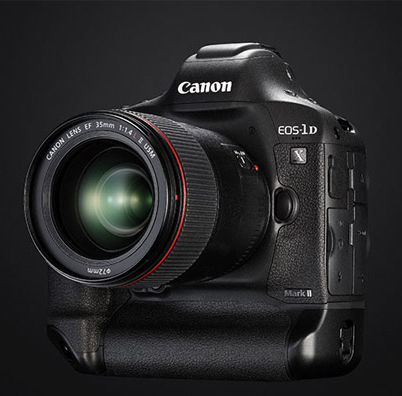
Canon released the new EOS-1D X Mark II this week, the new flagship DSLR for professionals demanding the very best in rapid capture and image quality.  The EOS-1D X Mark II features a raft of significant upgrades over its predecessor; it can shoot DCI 4K video at up to 60p, plus has outstanding focusing prowess in even the lowest of light levels. Learn more about the camera and its impressive capabilities. Finally, for those looking to negate camera shake, we take a closer look at image stabilisation in our Infobank section plus provide top tips on achieving a smoother workflow. Just click on the links below for more!

http://cpn.canon-europe.com/content/news/canon_launches_eos-1d_x_mark_ii.do?utm_source=newsletter_february_1_16&utm_medium=email&utm_campaign=Newsletter

Contributed by: Martin Allred, Nationwide Photographers, http://www.Floridaography


Posted in Photography Tips | Tagged , , , , , , | Leave a comment

Tips for the Beaches……

_MG_7486 copy

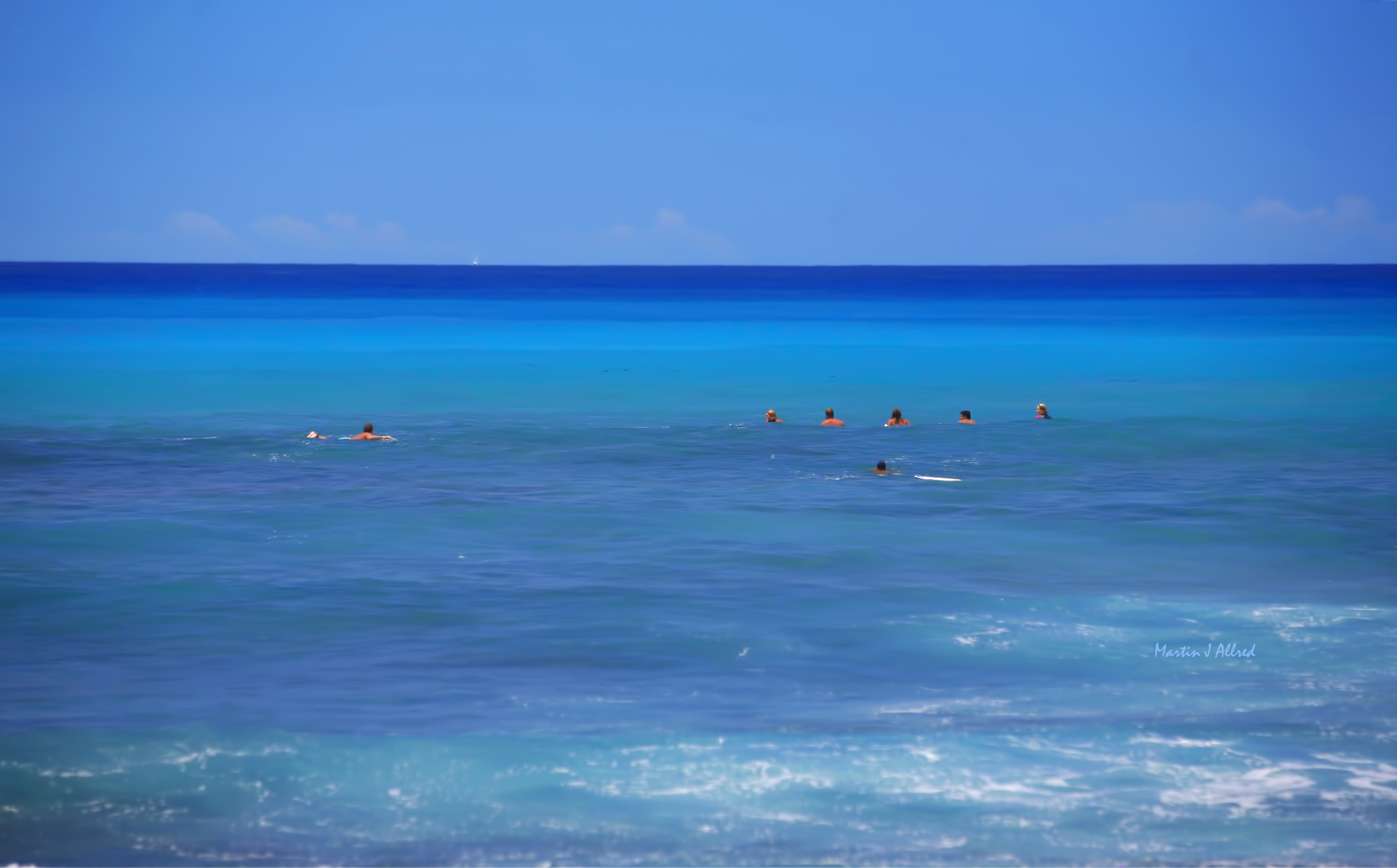
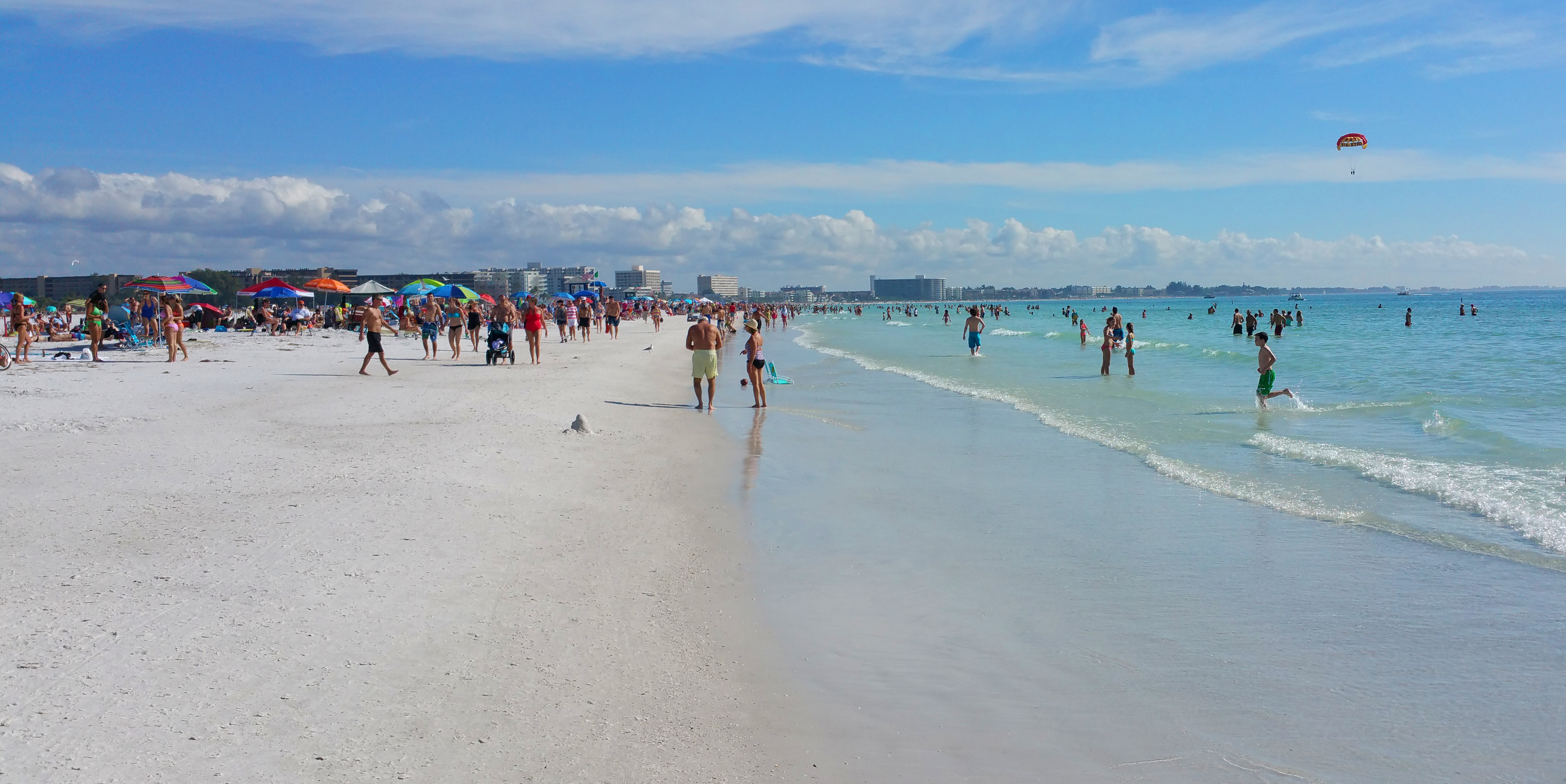
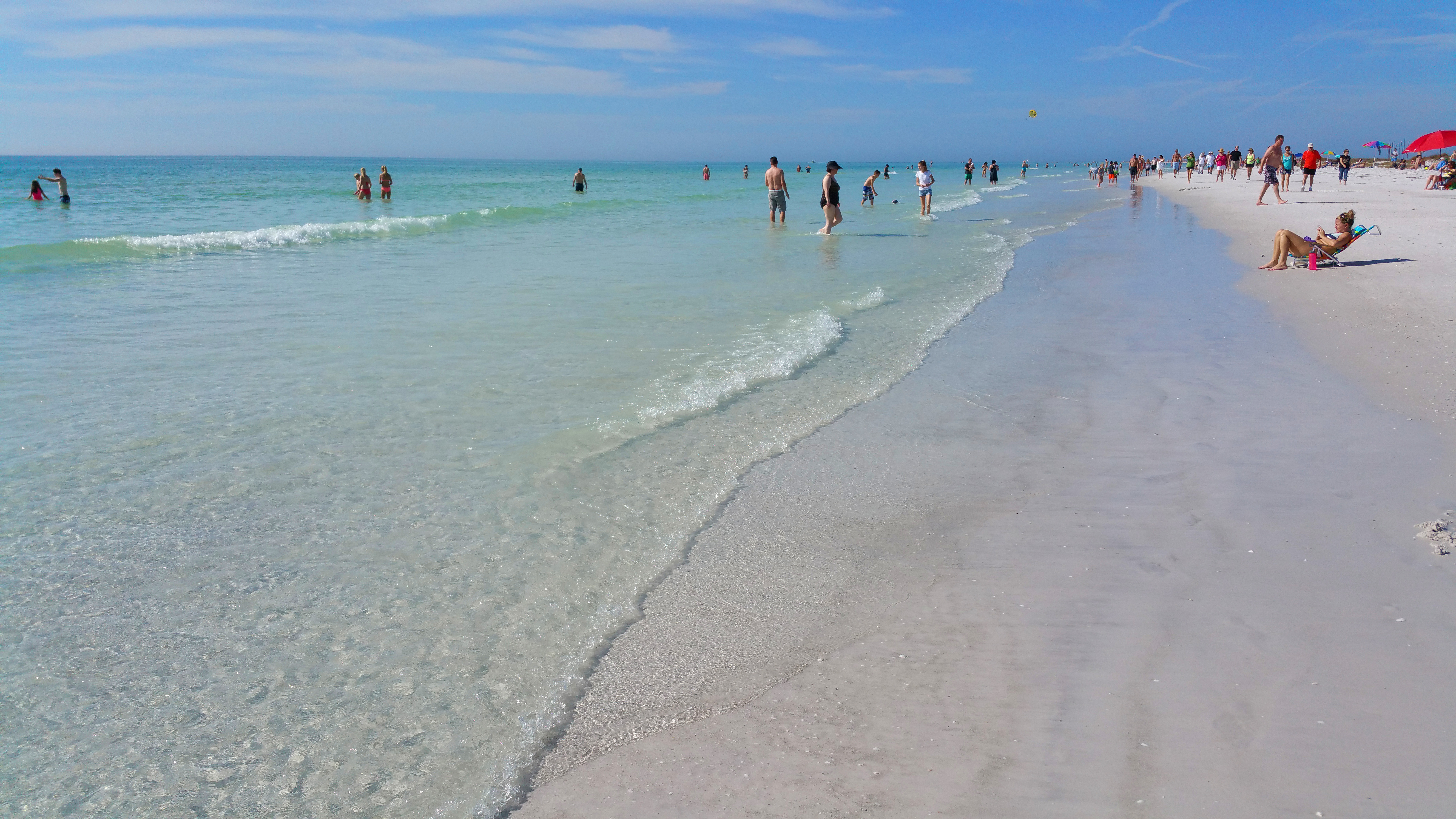
Florida has over 1300 miles of continuous coastline, and it’s white sandy beaches rank among the best in the world. This year nine Florida beaches ranked in the nation’s top 25 according to Tripadvisor. Florida proudly claimed the number one and number two beaches with Siesta Key and St. Pete. Having all that coastline together with year-round warm sunshine contributes to Florida’s huge tourism business.

Unfortunately, with all that tourism many preventable accidents occur.

Following these simple rules and safety regulations will help insure a successful vacation and may even save a life too.

  1. Limit Alcohol Consumption. Most beaches ban alcoholic beverages. One should inquire about the local laws and abide by their restrictions.
  2. Never leave a child or person unattended in the water. Especially if that person(s) are poor swimmers. Rip tides are always present and account for over 80% of water interventions by registered lifeguards.
  3. Bring your sunscreen and use it often. It only takes about 20 minutes to be severely burned by the Suns UV rays. Don’t spend your short vacation in pain. I see this happen so often.
  4. Don’t expect to ride motorized vehicles along the beach. Motorized vehicles cause many accidents and have been banned for that reason.
  5. Never disturb a sea turtles nests, ever!!! It’s illegal and most of all it could alter the hatchlings life.

If you are visiting the Suncoast in May through October, you just might have an opportunity of a lifetime. May through October is sea turtle nesting season, and Sarasota County hosts the highest density of loggerhead sea turtles nesting on Florida’s west coast. Other species that nest along Florida’s Gulf Coast include green sea turtles, and rarely, Kemp’s ridleys.

Mature female loggerhead turtles, which can weigh more than 250 pounds and measure more than three feet long, come ashore and crawl to an area that they deem suitable for nesting. The turtle uses her hind flippers to dig a hole – a nest – in the sand. She then lays, on average, 100 eggs. She covers the eggs with sand and crawls back to the water, having fulfilled her maternal duties.

In approximately 55 to 60 days, the eggs hatch. The hatchlings are only two -to-three inches in length and their eyes are at about the same height as the top of an adult human’s big toe, so they see the world quite differently than we do. After hatching, they start digging their way out of the nest. As they get to the surface, the temperature of the sand helps them determine when to emerge. Loggerhead sea turtle hatchlings generally emerge in the cool of night. This not only protects them from predators and dehydration – it also allows them to use dim natural light to navigate out to sea.

Hatchling turtles head for brightness. On a natural, dark beach, the brightest horizon is over the ocean. The baby turtles resemble tiny wind-up toys as they make their frantic dash toward light, and hopefully their new sea home. However, if the brightest glow is coming from artificial lights in a condominium, hotel room or other structure, the tiny turtles get disoriented and head the wrong way, usually toward an unhappy fate.
Coastal development and other human activities have inadvertently become major challenges to the survival of sea turtles. All sea turtle species are considered threatened or endangered.

Here’s How You Can Help

  • If you encounter a nesting turtle, remain quiet and observe from a distance.
  • Shield or turn off outdoor lights that are visible on the beach from May through October and close drapes after dark.
  • Stack beach furniture at the dune line, or ideally, remove it from the beach. Fill in holes that may entrap hatchlings and place trash in its proper place.
  • Don’t approach nesting turtles or hatchlings or make noise.
  • Don’t use flashlights, fishing lamps or other lights on the beach. Also refrain from using fireworks.
  • Don’t encourage a turtle to move while nesting or pick up hatchlings that have emerged and are heading for the water.

Please respect marked nests. If you see hatchlings in danger or heading away from the sea, contact Mote Marine Laboratory’s Sea Turtle Conservation and Research Program: 941-388-4331.

How to Survive a Riptide

Rip currents, also known as riptides or undertows, are long, narrow bands of water that can pull any objects caught in them away from shore and out to sea. Rip currents are dangerous, and it’s best to learn how to identify and stay out of them. If, however, you get caught in a rip current, it’s relatively easy to escape if you know what to do.

Steps

  1. Survive a Riptide Step 1
    Keep your feet on the bottom as much as possible when swimming in surf conditions. Rip currents can occur in any ocean or lake where surf conditions (breaking waves) exist. Keeping your feet firmly on the lake or sea floor will help you to avoid being swept out to sea by a rip current.
  2. Survive a Riptide Step 2
    Remain calm if a rip current begins to pull you away from shore. If you get caught in a rip current, your first instinct will likely be to panic. Don’t worry, you can escape the current, but you’ll need to keep a clear head about you. Understand that a rip current will probably not pull you underwater; it will only pull you away from the shore.
  3. Survive a Riptide Step 3
    Regain your footing if possible. If the current is relatively weak and you’re in shallow water, you will probably be able to touch the bottom again and prevent yourself from being dragged out further. If you can’t touch the bottom, do not struggle against the current. Rip current victims drown because they become exhausted fighting the current. Conserve your energy for methodically swimming and staying afloat.
  4. Survive a Riptide Step 4
    Call for help immediately if you can’t swim well. Rip currents are especially dangerous to people who can’t swim or who can’t swim well. If you’re not a good swimmer, get the attention of a lifeguard or of other beachgoers by waving your arms and yelling for help.
  5. Survive a Riptide Step 5

    Swim parallel to shore to get out of the current. Being caught in a rip current is like being stuck on a treadmill that you can’t turn off. Luckily, rip currents, like treadmills, are usually pretty narrow–they’re rarely over 100 feet (30.5 m) wide–so you need only get to the side of the rip current (step off the treadmill) to escape. Rather than swim against the current toward shore, swim parallel to the shore. As you do so, the rip current will carry you further away from shore, but remember, don’t panic. Continue swimming parallel to the shore until you are clear of the current–usually no more than 100–150 feet (30.5–45.7 m) down the beach from the point where you entered the water.

    • Float on your back or tread water if you can’t swim out of the current. If you can’t swim, or if you get tired before you manage to make it out of the current, conserve your energy and stay afloat. Continue to signal for help if there are people present. If you’re alone, just relax and stay afloat until you have enough energy to continue to swim. Rip currents generally subside 50–100 yards (45.7–91.4 m) from the shore, so you’ll eventually stop getting pulled further out.
      Survive a Riptide Step 5Bullet1
  6. Survive a Riptide Step 6
    Swim toward the shore once you escape the current. When you are out of the current, either because you’ve reached its side or you’ve been carried out far enough for the current to subside, make your way back to shore. It’s generally a good idea to swim diagonally toward shore and away from the current rather than swimming straight back, as the latter method may bring you right back into the current. You may be some distance from shore at this point, so stop and float periodically if you need to rest.

Man Overboard.. Lost at Sea..

https://www.youtube.com/watch?v=4B19DGxVmYU

Contributed by: Martin Allred

http://www.floridaography.com

Posted in Dining | Tagged , , , , | Leave a comment

Canon’s 5DS Goes Underwater

Canon just released the 5DS Camera that boasts a whopping 50.6 megapixels.  Renowned sea life photographer Franco Banfi from Switzerland gives it a real life underwater test. He offers many tips that I feel will be instrumental in underwater photography. The Canon technical article appeared in the August Edition of  Canon Professional Network News (CPN).

“He started off using a fisheye zoom, but soon moved to a wide-angle fixed lens, which gave him all the qualities of prime glass but with the flexibility of a zoom through the in-built cropping options.”

Embedded image permalink

Franco Banfi: in at the deep end with the EOS 5DS

With its 50.6 Megapixel sensor, the EOS 5DS has made quite a splash. CPN writer Mark Alexander finds out how this high-resolution DSLR won over award-winning underwater photographer and Canon Explorer Franco Banfi…

Sooner or later we all have to take the plunge. It could be an artistic leap of faith or a commercial vault into the unknown, but as photographers it is inevitable we will be confronted by situations that demand us to adapt, adjust and think on our feet.

enlarge image
© Franco Banfi

Up close and personal with a nurse shark. Taken on a Canon EOS 5DS with an EF8-15mm f/4L Fisheye USM lens at 13mm; the exposure was 1/160sec at f/8, ISO 125.

Franco Banfi takes this creative bungee jumping to a whole new level. The award-winning underwater wildlife photographer has been donning his wetsuit for more than 34 years plying his trade in the Pacific, Atlantic, Indian, Arctic and Antarctic oceans as well as the Mediterranean and Red Sea. While there he photographs all kinds of wild sea creatures such as leopard seals, tiger sharks and sperm whales with his eclectic approach to work mirroring the many subjects he shoots.

To capture his stunning images, Banfi opts for a world in which he is truly a fish out of water. “I have friends who are photographers, but they are scared to go under the water. They are scared for their safety. For me it is normal, but they say I am crazy.”

As if to prove his friends right, 56-year-old Banfi came face-to-face with a three-metre long American saltwater crocodile on his latest trip to the Yucatan Peninsula in Mexico. It was part of a 10-day trip that also included the equally hazardous pursuit of cavern diving. But the greatest unknown for the Swiss photographer during his perilous trip wasn’t the subject’s impressive dentures or the suffocating confines of the shoot locations, but rather the camera he brought with him…

TOO MANY PIXELS?

For many photographers, the introduction of the 50.6-megapixel EOS 5DS has unlocked a creative door to a host of possibilities. Until his trip to Mexico earlier this year, Banfi didn’t share that view. “I must be honest,” he says quietly. “I was always against a camera with so many pixels, because I thought we didn’t need it. But after this trip, I have changed my mind.”

After throwing caution to the wind, it turns out Banfi is one of the first photographers to discover the in-built 1.3x and 1.6x cropped shooting modes of the new EOS 5DS are ideally suited to underwater photography where cameras and lenses are protected by domes and casings (Banfi opts for Seacam underwater housings). In fact, Banfi’s leap of faith has turned out to be something of a watershed moment for the photographer.

“We have a good dome for the fisheye lens because that’s the lens everyone uses, but with a zoom lens there is always a compromise,” he explains. “Now, with the EOS 5DS, you can have a zoom by changing the cropping factor. This was one of the reasons I was curious about this camera.”

You would think the ability to select between crops would come into its own when your subject has jaws that could crush bones, but Banfi says these options become even more valuable when the fear factor is on the other side of the camera. “Sometimes you can get close to an animal, but with this camera you can decide whether to go in close or not,” he says. “This decision isn’t always based on whether the animal is dangerous. Sometimes the animal can be scared of you, so it is better to select the 1.6x crop factor and keep your distance.”

With an in-camera preference to indicate the crop through the viewfinder, Banfi found he could see the diminished view in real time and determine how this would influence his composition. “You see the crop in the viewfinder,” he explains, “so you have total control of what you are shooting in the cropped settings, as well as what is captured in the full-frame image.”

© Franco Banfi

Pond life, viewed from underwater. Taken on a Canon EOS 5DS with an EF8-15mm f/4L Fisheye USM lens at 15mm; the exposure was 1/200sec at f/11, ISO 160.

Banfi explains he started off using a fisheye zoom, but soon moved to a wide-angle fixed lens, which gave him all the qualities of prime glass but with the flexibility of a zoom through the in-built cropping options. But the crop factors weren’t the only benefits he found when using the EOS 5DS. For a camera with such a huge potential to capture detail, perhaps one of the most surprising aspects of the new camera is that it retains the same dimensions as the popular EOS 5D Mark III.

“It’s fantastic; the EOS 5DS is exactly the same as the Mark III so I was able to put it into the underwater housing I already had,” says Banfi cheerfully. “For underwater photographers, this is brilliant news because if it wasn’t the same size, we would have to spend another €3,000 on a new housing. Now you can have both cameras. The choice is yours!”

With more pixels than you can shake a stick at and a surprisingly compact design, the EOS 5DS is a camera that pushes technological boundaries while retaining a reassuring look. The premise of continuity endures in the EOS 5DS both from its exterior design and also through the images it creates, as Banfi points out.

“When you go from one camera to another, it is the same. You don’t even feel the difference,” he says. “But in post-processing, I was very surprised to find that when you open the files in Camera Raw and adjust them by decreasing the highlights or opening up the shadows or whatever, you have so much control. I think this is because the camera records so much information. Before I used the EOS 5DS, I never considered this but after using it, I was very surprised. It is a very interesting feature.”

SUPERB PROCESSING BY DIGIC 6

The massive 50.6 MP CMOS sensor powered by dual DIGIC 6 processors promotes low noise, faithful skin tones and accurate colour reproduction. It also records incredible amounts of detail while collating vast sums of data to produce files that offer a host of post-processing possibilities. Add to that a 61-point AF System with 41 cross-type focus points and the EOS Intelligent Tracking and Recognition (iTR) AF technology, and you have a camera that is not only powerful but incredibly accurate, too.

All this power certainly helped Banfi capture some remarkable images of smiling crocodiles in the crystal clear waters of a remote island lagoon, but how useful were all those pixels in the eerie depths favoured by cave divers? After all, direct sunlight is a rare commodity when you swim hundreds of metres into the ghostly world of an underwater cave. In fact, if ever you wanted to devise a test to appraise the low-light performance of the EOS 5DS, this would definitely be it.

enlarge image
© Franco Banfi

Chartering the depths of the sea bed. Taken on a Canon EOS 5DS with an EF8-15mm f/4L Fisheye USM lens at 15mm; the exposure was 1/60sec at f/5.6, ISO 640.

“I am not a full cave diver,” Banfi admits. “I cavern dive which means I can always see the entrance or the exit of the cave when I swim. That’s because I am more interested in the pictures rather than the caves themselves. Anyway, there are lots of situations with interesting light in the entrance or around the exit of a cave because that’s where the sunlight is. You have to manage the light you have.”

He continues: “In these situations, there can be little light to work with so I have to up the ISO to 640 or 1,250 with the resulting images being very good. In fact, in my opinion, the low-light performance of the EOS 5DS is at least the same if not better than the EOS 5D Mark III.”

The DIGIC 5+ processor and 22.3-megapixel sensor of the EOS 5D Mark III has a formidable reputation for low-light shooting, so Banfi’s assertion of parity between the two cameras is noteworthy and bold. There is after all more than double the number of pixels in the EOS 5DS with each one offering the potential for more noise and image degradation. But it seems these have been controlled in the new sensor even when the image has been cropped in post-processing.

“You can see the quality of the camera,” he says. “I have a portrait image which was a crop from a landscape image, so probably more than 50% of the image has been cropped out. It was shot at ISO 1250 and the image is clear and the colours are accurate. I think there is no question of its quality.”

The image in question was taken in a sink-hole where the insipid light created an eerie setting weighed down by a heavy atmosphere framed by dark, impenetrable recesses. The resulting image retains all of the drama but is almost airy by comparison and shows none of the potential pitfalls one would think would blight a digital file taken in such a forbidding environment.

There is no doubt Banfi leaps off the proverbial high board every time he goes on a shoot be it with sharks, whales, crocodiles or in underwater caves. Each of his adventures is accompanied by degrees of risk and danger that many would find intolerable. But on this occasion, he overcame his own misgivings to unlock the potential of the EOS 5DS. Swayed by the cropping options, physical size and quality of the images it produces, Banfi offers his advice to those yet to take the plunge. “If you opt for the EOS 5DS,” he concludes, “you will spend a little more money, but you will have many more possibilities to explore.”

EOS 5DS – KEY FEATURES

  • 50.6 Megapixel full-frame CMOS sensor with ISO 100-6400 (Lo: 50 and H1: 12,800) sensitivity range.
  • Dual DIGIC 6 Processors for outstanding image processing speed and camera responsiveness.
  • 5 frames per second (fps) with selectable burst speeds and silent shutter mode.
  • 61-point wide area AF with 41 cross-type sensors with iTR, AI Servo AF III and AF Configuration tool.
  • 150k pixel RGB+IR metering sensor.
  • 100% magnification Intelligent Viewfinder II with electronic overlay.
  • 1.3x, 1.6x and 1:1 ratio crop modes with masked viewfinder display.
  • Mirror Vibration Control System to reduce mirror vibration blur.
  • Fine Detail Picture Style.
  • CF + SD (UHS-I) dual memory card slots.
  • Peripheral Illumination and Chromatic Aberration Lens Correction in camera.
  • Multiple Exposure and HDR mode.
  • Customizable Quick Control screen.
  • Built-in timer functionality – bulb timer and interval shooting timer.
  • Time-lapse Movie function.
  • SuperSpeed USB 3.0 for high-speed tethering and image/movie transfer.
  • 150,000 shutter cycle life.
  • Compatible with most EOS 5D Mark III accessories (note: for the WFT-E7 new USB cables required and firmware updated).

reblogged by:   Martin Allred   Chowjudge

www.floridaography.com

Posted in Photography Tips | Tagged , , , , , , , , , , , , , , | Leave a comment

Image Stabilizer lenses and autofocus

images-1

Image Stabilizer lenses and autofocus

When shooting with an image stabilized lens, especially a long telephoto, if you don’t need to use the IS because your shutter speed is fast enough to avoid camera shake, try turning it off for even faster autofocus. This is especially useful for fast moving subjects where absolute AF speed is important. I mainly use the stabilizer when shooting speakers or subjects in low light when I feel the ISO starts to lose sharpness, which is around 1600 ISO for a Canon 2o MP full frame DSLR camera.

Contributed by: Martin Allred

http://www.floridaography.com

Posted in Photography Tips | Tagged , , , , , , , , , , , | Leave a comment

Happy Birthday Snooty, The South Florida Museum

_MG_0601_MG_0588

7-20-2015

The South Florida Museum, located in Bradenton, Florida, houses exhibits highlighting the history of Florida from the prehistoric to the present.

_MG_0628a

Upon entering the main hall of the museum a giant skeleton of a Mastodon grabs your attention. The ice age mammal towers over the room with his two large tusks which are framed against a custom hand painted ceiling. The Mastodon is one of world’s largest and the largest ever recorded in North America.

_MG_0612a

Just a few steps from that exhibit lead to an informative Mayan Exhibit that will surely keep the kids entertained while learning to solve the many educational Mayan puzzles.

_MG_0770

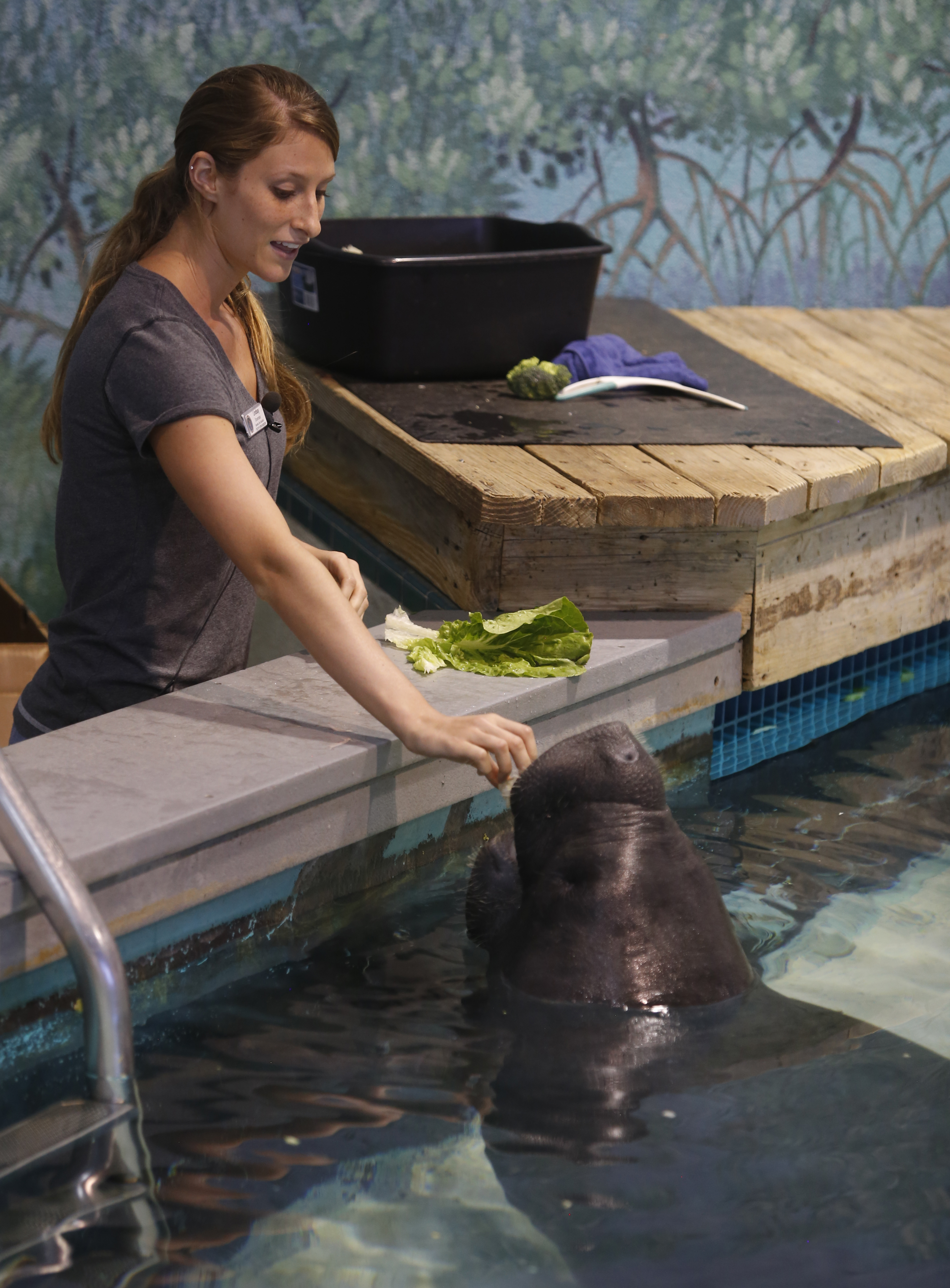
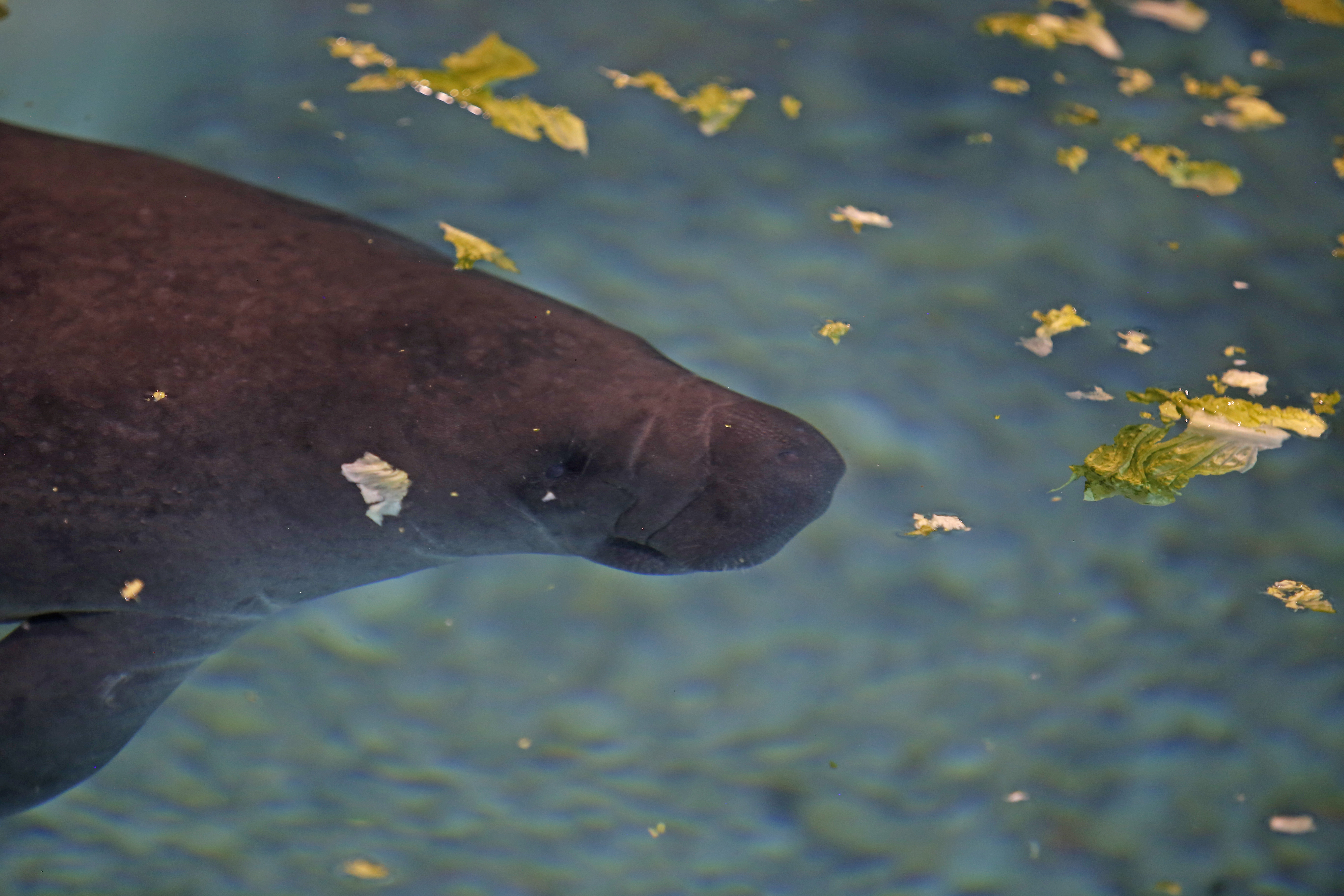
The Museum also includes the Bishop Planetarium and the Parker Manatee Aquarium, the home of Snooty the manatee. Snooty is the “Official Manatee County Mascot”. Born in 1948, Snooty is the oldest known manatee in the world. This past week Snooty celebrated his 67th Birthday; over 4000 attendees came to show their support. Many visitors brought birthday cards, signed the birthday wall and contributed funds to help support the non-profit museum.

_MG_0630_MG_0592

_MG_0687aa_MG_0717aa

_MG_0722a

I highly recommend visiting the museum. It’s a perfect place to take  children and adults of all ages. Clearwater Aquarium members get 50% off admission.  I especially loved seeing Snooty and the other manatees. The prehistoric exhibits and the feature presentation on the large round modern Planetarium Screen was fun too.

Contributed by: Martin Allred

www.floridaography.com

Current Hours

MONDAY, JULY 20, 2015

Mon. – Sat.: 10 am to 5 pm
Sunday: Noon to 5 pm

Closed on the 1st Saturday in November, Thanksgiving, Christmas & New Year’s Day.


Full Schedule
| Plan Your Visit
201 10th St. W | Bradenton FL 34205
Get driving directions »
Call for more info (941) 746-4131

http://www.southfloridamuseum.org/

Posted in Dining | Tagged , , , , , , , , , , , , | Leave a comment

Essential Travel Devices and Tips

6-7-2015

When packing for an upcoming trip you may want to include a couple of devices that most people forget.

1. A  Compact Back-Up Battery/Charger for your tablet or phone.

Let’s face it, when away from home or office people spend more time on their cell phones and tablets. People stay in touch talking, texting and take more photos sharing their travel experiences on social media killing their device’s battery life. A very small battery backup will get you through the day and it will not take up much room in your travel bag.

2. A Power Strip

I couldn’t leave home without a power strip. As a traveling photographer, I need battery power and at times I use at least 6 A/C outlets per day to charge all of my devices.

619npNbFQZL._SL1500_

The Lifehacker web site listed the five best portable external battery chargers with the voting results listed below. All good choices and will give you ample charging times.

Five Best External Battery Packs

Anker Astro Series (3E/E4/Pro)

Anker’s line of external batteries hold a ton of juice (the 3E sports 10000mAh, the E4 13000mAh, and the Pro a whopping 14400mAH. The new Pro2 has 20000mAh!) and depending on the model you get, you get a slim, pocket-sized external battery pack that can go anywhere, charge multiple devices at once, and keep them both powered for hours on end even if their own batteries are dead. Many of you who nominated Anker’s various external batteries praised them for portability, high capacity and small size, price point, and while not all of them can be charged via USB on their own (they require a separate charging cable), some of them do sport a flashlight and can charge even high-powered devices like netbooks and small laptops as well as phones and tablets. If you’re interested, the Anker Astro3E is $40 at Amazon, the AstroE4 is $47 at Amazon, and the Astro Pro is $60 at Amazon.


Five Best External Battery Packs

New Trent iCarrier/iGeek

New Trent started off making portable battery packs for iPhones and iPads, and they’ve only grown since then. The iCarrier packs 12000mAh in a portable (albeit not pocket-sized) package, and the iGeek has a 9900mAh battery inside. Both models are capable of charing your iPhone or iPad, Android phone, or any other device that charges over microUSB or USB. Those of you who praised the iCarrier and the iGeek noted that it holds a charge forever, and the easy-to-read indicator lights on the top of the device never leave you doubting how much charge your unit has left. Plus, you mentioned it’s perfectly capable of charging a phone several times before it needs to be recharged itself. Both models will automatically shut itself off when the connected device is charged, can charge two devices at once. Reader weendex even took it up Mount Kilimanjaro with him, and it kept his iPhone alive and logging the whole trip via GPS the entire time-a whopping seven days. now that’s impressive. Both models retail for $70 direct from New Trent, but they’re both also available at Amazon: the iCarrier is $70, but the iGeek comes in three capacities, the highest of which being an 11200mAH model that’s actually available for $60, less than its 9900mAh counterpart.


Five Best External Battery Packs

Energizer XP Series (XP1000 /XP18000A )

Energizer is a huge name in batteries, so it makes sense they would get into the world of portable power packs and chargers. Their power packs are widely available in electronics stores and on the internet, and come with far more tips and cables you could ever need to charge your devices. If you have an old old cell phone that needs a little juice, an Energizer power pack probably includes the tip to charge it, and they’re all modular so you can swap them out whenever you need another. Energizer’s power packs come in a variety of flavors and capacities. At the bottom is the simple, pocket-sized XP1000, a 1000mAh model that can top off or add a few extra hours to your cell phone, Bluetooth headset, or media player. At the top on the other hand is a the XP18000A, an 18000mAh model that can power your smartphone for days, your netbook for the bulk of a workday, or a portable camcorder or camera for hours on end. Plus it doesn’t just charge via USB, it can also power devices via a 9-12V or a 16-20V port. Prices vary between models, and there are plenty between the XP1000 at the bottom and the XP18000A at the top. Since you guys nominated the XP18000 specifically, it’s available for $140 at Amazon. By contrast, the XP1000 at the bottom is only $20.


Five Best External Battery Packs

MonoPrice External Battery Packs (9283 5000mAh /6915 1400mAh /7663 1900mAh )

Many of you were fans of Monoprice’s external battery packs because they’re lightweight, portable, and while few of the ones nominated carry a specifically high charge, they’re enough to keep any phone or tablet (or multiple phones or tablets) juiced up in case of emergency, all for remarkably low prices. Monoprice does away with the need for brand names and keeps the costs low, but don’t think that with low price comes low power or crappy design. All of the models are small enough to fit in a pocket, and the 5000mAh 9283 (shown above) packs enough juice to keep your device on for a few extra hours, and even has two USB ports to power two devices at the same time. Best of all, it’s only $29. The lightweight 1400mAh 6915 will give you a 2-4 hour lifeline for your device via microUSB, and it’s only $8. The 1900mAh 7663 sports a slide-out wall plug so you can plug it right into the wall to charge, and an extendable microUSB cable and connector plug to charge your devices that stores neatly in the battery pack’s body when not in use. It’s only $16. Monoprice has a number of products in the category in all sorts of shapes and sizes—from simple battery packs that plug into the bottom or side of your smartphone or tablet to more complicated units that have multiple tips and detachable cables. Browse the category to find one you like—there’s likely one available, and at a steep discount.


Five Best External Battery Packs

Mophie Juice Pack Powerstation

Mophie is well known for its Juice Pack battery cases for smartphones, but in this case we’re looking for purely external batteries that can charge any kind of device. Thankfully many of you came through with nominations for the Powerstation series of products, from the mainstream, sleek, and portable $80 4000mAh Powerstation shown above to the smaller, more lightweight$60 2500 mAh Powerstation mini, to the more powerful $100 6000 mAh Powerstation Duo. It wasn’t universal though, and there were a few Mophie dissenters as well as fans in the mix. Those of you who nominated them praised their size-to-power ratio, offering powerful battery packs in small form factors, all of which fit nicely in a pocket, and can charge pretty much any device over USB, including smartphones, tablets, and netbooks. Mophie themselves are an established brand in the mobile battery space, all of their chargers are about the size of a deck of cards, and eschew the usual plastic shells of other chargers for something metal and sturdy. You can buy all of the Mophie models mentioned here direct, but you can save a few bucks on the 4000mAh Powerstation by grabbing it for $58 (black) or $45 (red) at Amazon.


Now that you’ve seen the top five, it’s time to put them to an all-out vote to determine the community favorite:

What’s The Best External Battery Pack? (Poll Closed)
Anker Astro Series (3E/E4/Pro) 40.18%  (1,004 votes) 
New Trent iCarrier/iGeek  14.41%  (360 votes) 
Energizer XP Series (XP1000/XP18000A)  7.84%  (196 votes) 
MonoPrice External Battery Packs (9283 5000mAh/6915 1400mAh/7663 1900mAh)  15.89%  (397 votes) 
Mophie Juice Pack Powerstation 22%  (542 votes) 
Total Votes: 2,499
Thanks to Lifehacker.com for posting the info and helpful voting results.
Contributed by: Martin Allred  www.floridaography.com

Posted in Dining | Tagged , , , , , , , , , , , , , | Leave a comment

THE NEW EOS M3 by CANON, THE PERFECT TRAVEL COMPANION, NOT AVAILABLE IN THE U.S. ?

4-2-2015

The waiting is finally over for some and I couldn’t be more pleased for this new addition to the Canon family.  The only major glitch is one must live in Europe or Asia. Canon has no plans for a U.S. launch.

Canon unveiled the the new EOS M3 back in February. A little mirror-less jewel that packs a lot of punch for its amazing size with a whopping 24.2 mega pixel sensor.

canon-eosm3-back-650x400canon-eosm3-evf-650x400

Personally, as a professional photographer and avid traveler, this little beauty is exactly what I needed and desired so desperately.  When traveling for personal recreation I  could  leave all the heavy professional cameras and lenses behind without sacrificing creative image quality. The camera’s size would help make future travel experiences much more enjoyable. But wait a minute, no U.S. launch,  how very disappointing!!

Key Features is the compact size and weight, and other features include a whopping 24.2 Mega Pixel Sensor that  may appeal to the photography travel buff. Also,  the availability to share images and control the EOS M3 remotely using the built-in WiFi function. Along with Dynamic NFC, it is also possible to control the camera via tablet or smartphone, with control over settings made easy via the Camera Connect downloadable app. The video option lets one capture Full HD 1920×1080 movies at 24p and 30p in MP4 format with full exposure control.

The Canon EOS M3 was released today with a price tag of £599.99 / €769.99.

Canon’s advertising programs in the U.S. should read,

” You look  but don’t touch”  

“All the things you like and need in a small camera, but America, you can’t have it ! “

CAMERA KEY FEATURES

  • 24.2 MP APS-C size CMOS sensor
  • Premium image quality using DIGIC 6 Processor
  • Selectable ISO range of 100-12,800 with expansion to 25,600
  • Hybrid CMOS AF III focusing with 49 AF points
  • Focusing assist with Manual Focus Peaking and AF+MF
  • Large, tilt-type 3.0in (1,040k) 3:2 ClearView II touchscreen with sRGB color reproduction
  • High quality Full HD 1920×1080 movies at 24p and 30p in MP4 format with full exposure control
  • Built-in WiFi with NFC support
  • Fully compatible with Canon Speedlite System and advanced levels of controls
  • Premium body construction and handling with stainless steel chassis and all aluminium exterior

Read the latest release news issued by the Canon’s Professional Network by clicking this link: http://cpn.canon-europe.com/content/news/canon_launches_the_eos_m3.do

Contributed by: Martin J. Allred  www.floridaography.com

Posted in Photography Tips | Tagged , , , , , , , , , , | Leave a comment

Siesta Beach, Siesta Key, Florida (Sarasota) Voted #1 Beach in the U.S. for 2015

rdTopLaurel_L_TM20141228_130957

Photo by: Martin Allred

2-18-2015

The tally is finally  in and according to Tripadvisor, Sarasota’s Siesta Beach is ranked # 1 beach in the United States.  Several other Florida beaches rounded out the top 10 including, St. Pete Beach, St. Petersburg, Florida taking the # 2 spot.

Now, if only I could do something about the traffic.

On the Travelers’ Choice list for the United States, Florida made huge gains on Hawaii this year. According to TripAdvisor search traffic, interest in top 10-ranked Florida beaches is up on average 69% year-over-year.

Last year’s list featured Hawaiian beaches in seven of the top 10 spots, with only two Florida beaches listed in the top 10. This year, six Florida beaches ranked in the top 10, with only three in Hawaii.

This year’s No. 1 U.S. beach, Siesta Beach in Siesta Key, Florida, edged out last year’s top ranked Lanikai Beach in Kailua, Hawaii.

Here are 2015’s top 10 U.S. beaches:

1. Siesta Beach, Siesta Key, Florida

2. St. Pete Beach, St. Petersburg, Florida

3. Ka’anapali Beach, Lahaina, Maui, Hawaii

4. Wai’anapanapa State Park, Hana, Maui, Hawaii

5. Pensacola Beach, Pensacola Beach, Florida

6. La Jolla Cove, La Jolla, California

7. Kailua Beach Park, Kailua, Oahu, Hawaii

8. Clearwater Beach, Clearwater, Florida

9. St. Augustine Beach, St. Augustine, Florida

10. Beach at Panama City, Panama City Beach, Florida

TripAdvisor Travelers’ Choice: Top 10 U.S. beaches; Photos by Martin Allred, Nationwide Photographers
Posted in Dining | Tagged , , , , , , , , , , , , , , , , | Leave a comment

Canon Unveils the 50+ megapixel today (EOS 5DS and EOS 5DS R)

2-9-2015

The EOS 5DS is Canon’s highest resolution DSLR to date, designed to offer editorial, landscape and advertising photographers the ultimate in image size and quality thanks to the 50.6 Megapixel sensor with an optical low-pass filter.

http://cpn.canon-europe.com/content/news/canon_launches_the_eos_5ds_and_eos_5ds_r.do?utm_source=newsletter_february_1_15&utm_medium=email&utm_campaign=Newsletter

Enjoy the video.

Martin Allred

http://www.floridaography.com

Posted in Dining | Tagged , , | Leave a comment

New 50,5 MP Canon Full-Frame DSLR Unveiled

canon_eos_5ds_f001

2-3-2015

It was just a matter of time before Canon answered the competition, mainly Nikon’s 36 MP, with a new higher resolution Full-Frame DSLR.

The web site petapixel.com announced the news this past week.

The image and specs are from the  Japanese camera site digicam-info,

According to the article, one feature in the camera is reportedly 1.3x and 1.6x crop modes that allow you to only use a portion of the full frame sensor for lower-resolution photographs — useful for if you don’t need a 50.6MP file with every shot.

ISO range is reportedly 100 to 6400. Canon Rumors is hearing that the lower maximum ISO is due to the camera having “a much stronger CFA [color filter array] which will produce much greater color accuracy than anything currently in the Canon lineup.”

Other specs mentioned in the report are: a weatherproof magnesium alloy body, dual processor DIGIC6, 5FPS continuous shooting, 61 autofocus points, EOS iTR AF, a 150,000 pixel RGB/IR photometry sensor, and a “fine detail” picture style.

The official announcement for these cameras should happen sometime next week.

I am personally ready to upgrade and will keep my eyes peeled as I await the delivery date.

Martin Allred

http://www.floridaography.com

Posted in Dining | Tagged , , , | Leave a comment